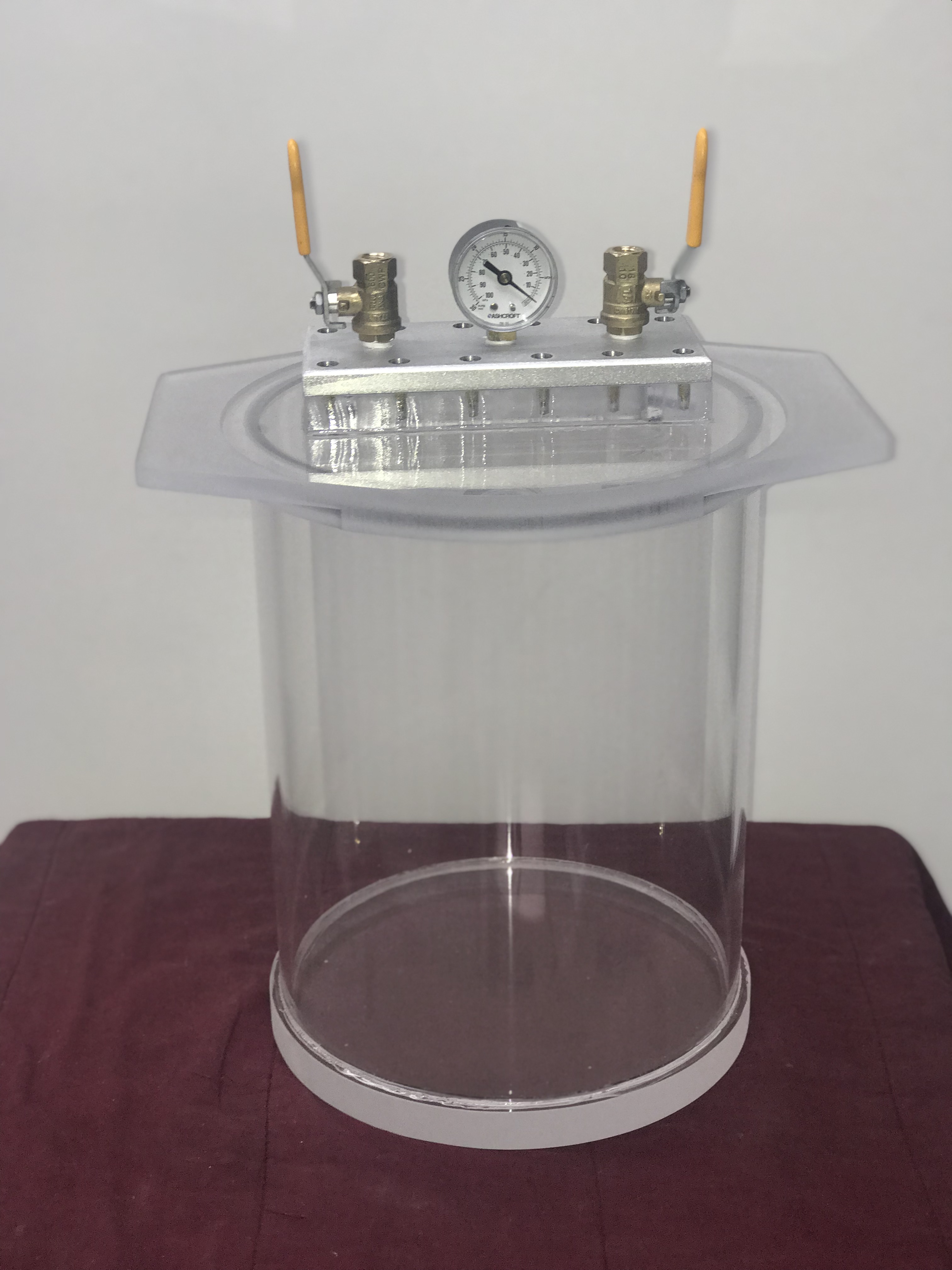
Altitude Testing in a Vacuum Chamber

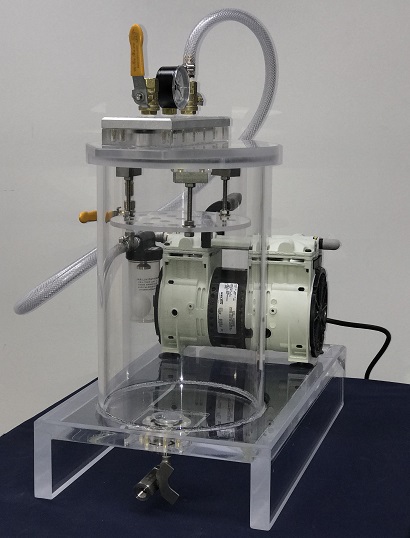
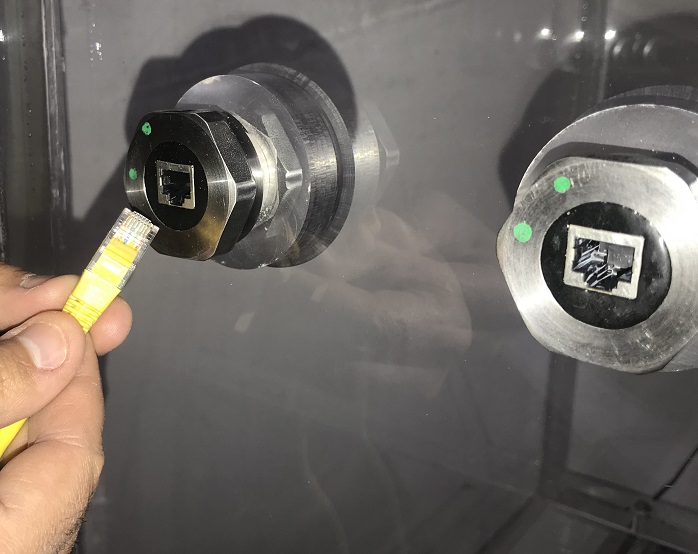
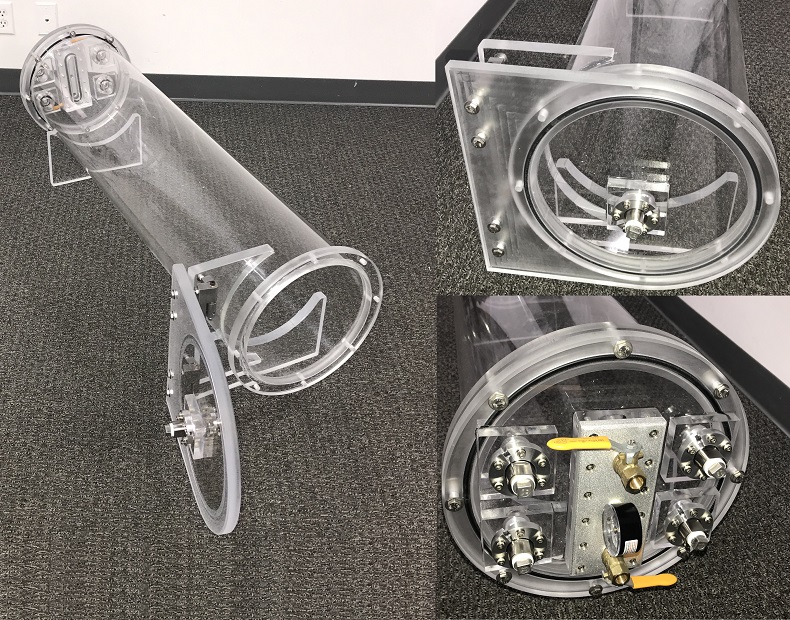
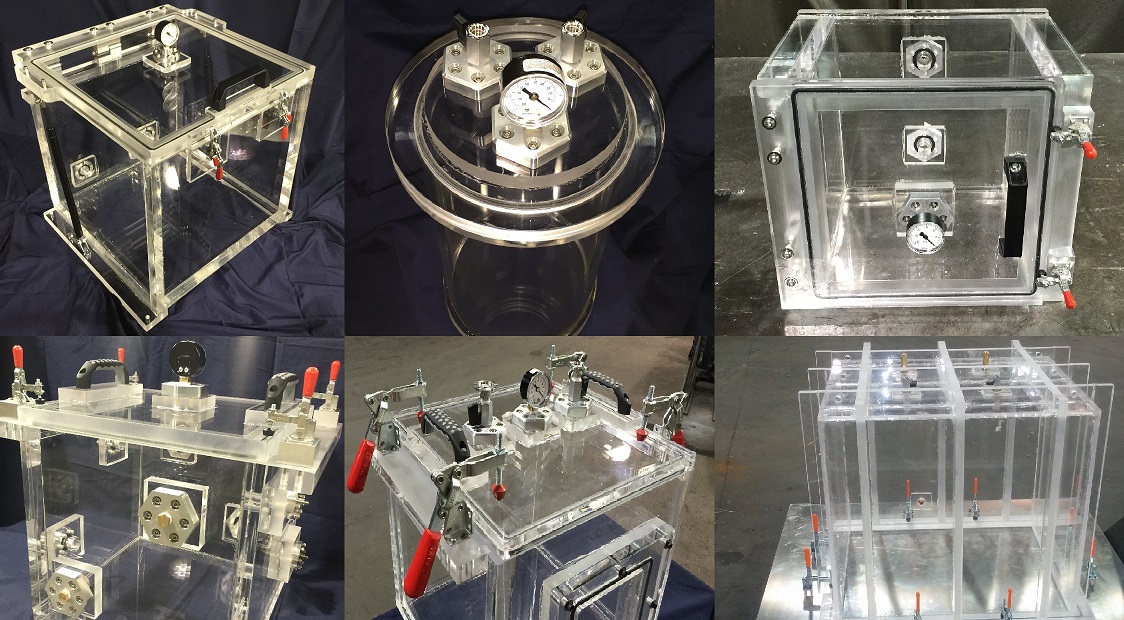
It is not a secret that you can simulate a certain altitude in a vacuum chamber. The good thing about Acrylic Vacuum Chambers is not only that you can simulate an altitude of up to 250,000 feet, you can also fully view your test specimen during your testing operation.

Just the two benefits mentioned about make the Acrylic Vacuum Chambers a very popular item among academia and aerospace industry.

We are proud to show our cylindrical vacuum chamber having the dimensions of 10 inch in diameter and 12 inch High. We include a dial vacuum gauge and two NPT valves with every one of our Standard Vacuum Chambers.

Are you in need of high altitude testing equipment? Contact Us to see how we can serve you.

You may be interested in some of our other items

We make Robustly Designed and Quality Engineered Systems. Check out some of our other items we carry that you can combine/integrate with your systems or projects.

Stainless Steel Vacuum Chambers
Stainless Steel Vacuum Chambers are vacuum chambers made from stainless steel. The advantages of a Stainless Steel Vacuum Chamber are High Vacuum and a Wide Temperature Range of applications.
Liquid and Gas Vacuum Feedthroughs
A Liquid and Gas Vacuum Feedthroughs are tubes that will allow you to run liquid or gas into your vacuum chamber without contaminating the vacuum levels or vacuum chamber in general. Say you are looking to run a coolant into the vacuum chamber and cool a component you are testing. You can simply install a liquid and gas vacuum feedthrough are run your coolant towards your test specimen.
Our Work: Research, Development, and Testing of Weather Balloons inside a Clear Vacuum Chamber
A wonderful company (more like one of the best companies in the world) which is currently involved with the research, development, and testing of high-altitude weather balloons, had a need for a vacuum chamber capable of achieving about 100 micro Torr (Micron) of ultimate Pressure for their testing environment. Fortunately, acrylic vacuum chambers are the perfect choice when it comes to Low, Rough, and Medium Vacuum.
Related Articles: Anatomy of the Pressure Decay, Vacuum Decay, and Force Decay Curve
How do you know that you have a good part during your leak test? In order to understand your leak test, you must first understand the Test Decay Curve and what it tells you about your test specimen. There is a certain way that a test specimen behaves during the leak test.