Ethernet Vacuum Feedthrough, CAT5,CAT6, RJ45, 275 CF PORT Flange, Dual Sided Connector

Price:
$1646
Product ID:
FT-CAT6-275CF
Lead Time:
Contact Us to inquire about lead times
Return Policy:
150 days for a full refund

Additional Images of Ethernet Vacuum Feedthrough

Our Ethernet Vacuum Feedthroughs can be customized and applied in any way imaginable. Please take a look at additional images of our Ethernet Vacuum Feedthroughs and it application examples.

The Only Acrylic Vacuum Chamber robustly designed and quality manufactured to consistently perform and meet your needs!

Supporting Resources

Product Specifications

Product Type:
Vacuum Feedthrough
Feedthrough:
CAT6, RJ45 Ethernet
Connection Type:
275CF
Leak Tightness:
Helium 10-8 cc / min or less at 1 ATM

Features

Vacuum Ethernet Feedthrough
275 Conflat Connection
Run Ethernet Signal During Vacuum Runs
Fully Leak Tested
5-YEAR Warranty on Products, Parts, and Labor to original end user. We stand 100% behind our work!

Description

An Ethernet Vacuum Feedthrough is a component that will enable you to run ethernet cables into the vacuum chamber from the outside to the inside of the chamber during vacuum operations without compromising the vacuum.

This particular ethernet vacuum feedthrough connects through a 275 Conflat Flange Port. The 275 Conflat Port is connected via 6 mounting holes. Furthermore, you will need a Conflat Gasket, either Viton or Copper.

This vacuum feedthrough is compatible with RJ45, CAT5, CAT6, and ethernet LAN connections. Feel free to contact us if you have any more questions.

We have many more resources on our website that you should check out

Our clients prefer to work with us because we are Experts in Vacuum Science and Technology. There is a tremendous amount of valuable resources and information regarding vacuum systems and vacuum technology; check them out by clicking on the links below.
Force Decay Leak Testing Systems
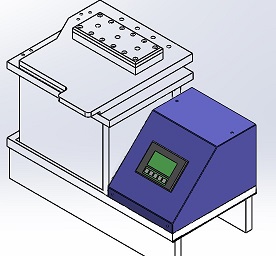
Force Decay Leak Testing Systems are instruments that detect and quantify leaks in a test specimen through measuring the drop in force an inflated specimen applied onto a pressure transducer. The specimen is placed into a vacuum chamber, a vacuum is pulled, and the test sample inflates. As the test sample inflates, it applied a specific force onto the force transducer. This force is measured and recorded over time. If a leak exists, the specimen will deflate and lose pressure, as a result, the force it applies onto the force transducer will decrease. This in turn will enable for detection and quantification of a leak in the specimen.
Micro-D Vacuum Feedthroughs
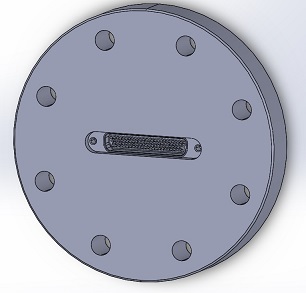
Micro D Vacuum Feedthroughs are Micro D connectors rated for vacuum and are generally installed on the vacuum chamber wall. You can then connect from the outside to the inside of your chamber.
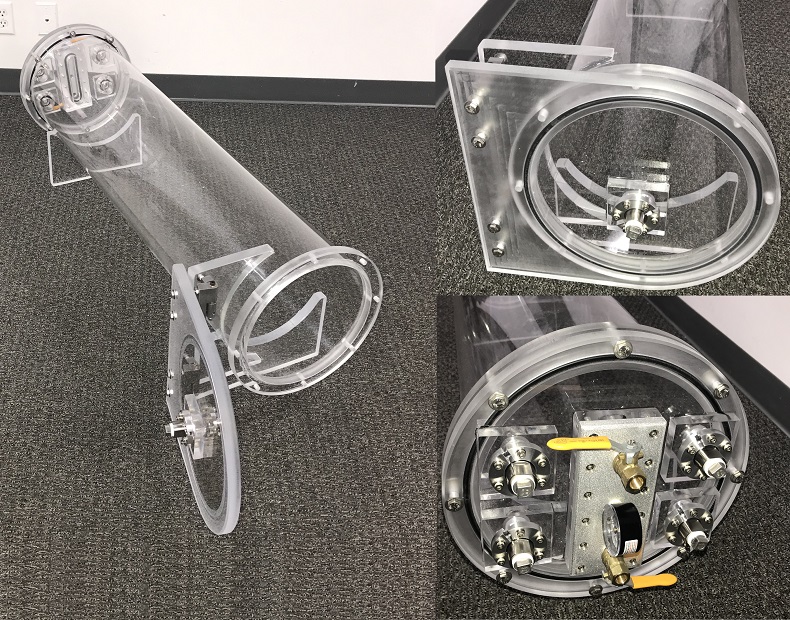
Our Work: Research, Development, and Testing of Weather Balloons inside a Clear Vacuum Chamber
A wonderful company (more like one of the best companies in the world) which is currently involved with the research, development, and testing of high-altitude weather balloons, had a need for a vacuum chamber capable of achieving about 100 micro Torr (Micron) of ultimate Pressure for their testing environment. Fortunately, acrylic vacuum chambers are the perfect choice when it comes to Low, Rough, and Medium Vacuum.
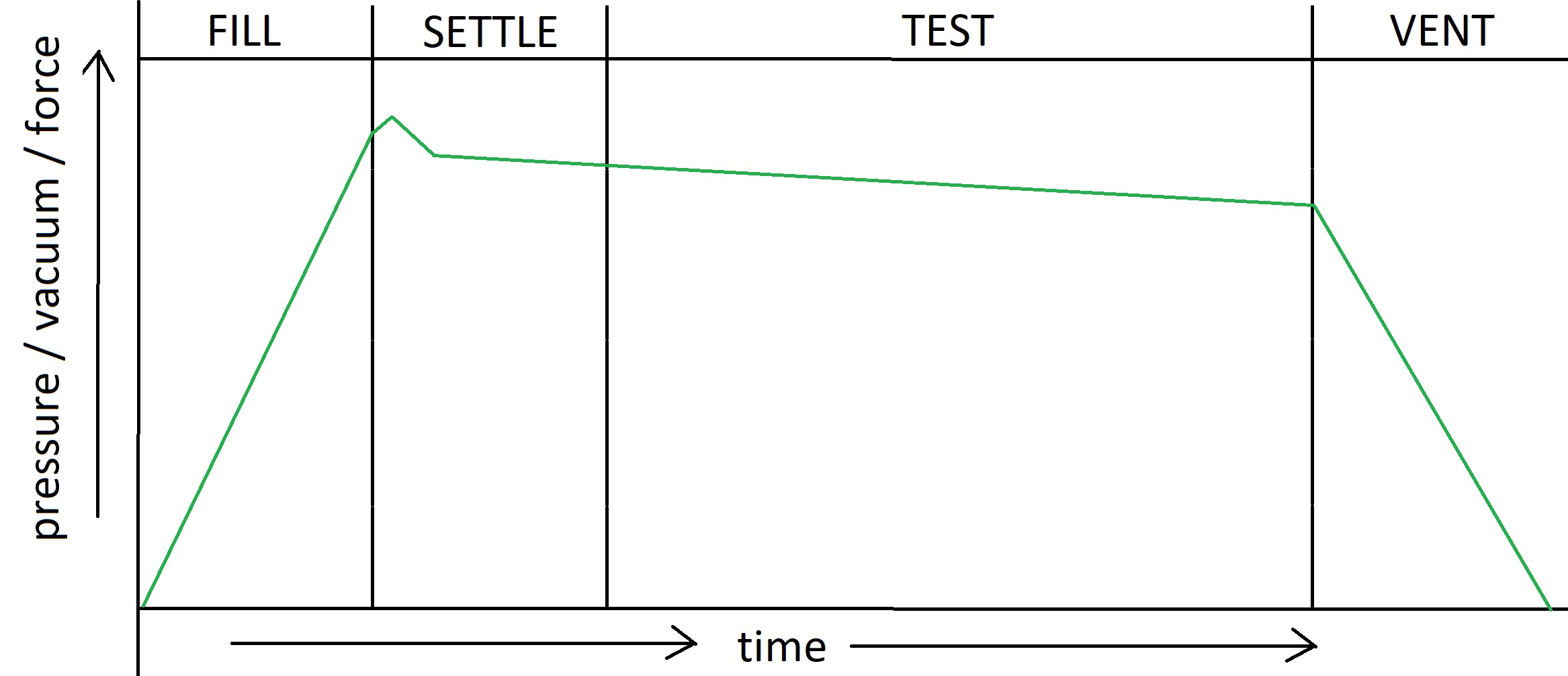
Related Articles: Anatomy of the Pressure Decay, Vacuum Decay, and Force Decay Curve
How do you know that you have a good part during your leak test? In order to understand your leak test, you must first understand the Test Decay Curve and what it tells you about your test specimen. There is a certain way that a test specimen behaves during the leak test.