Vacuum Wobble Stick And A Vacuum Linear Actuator
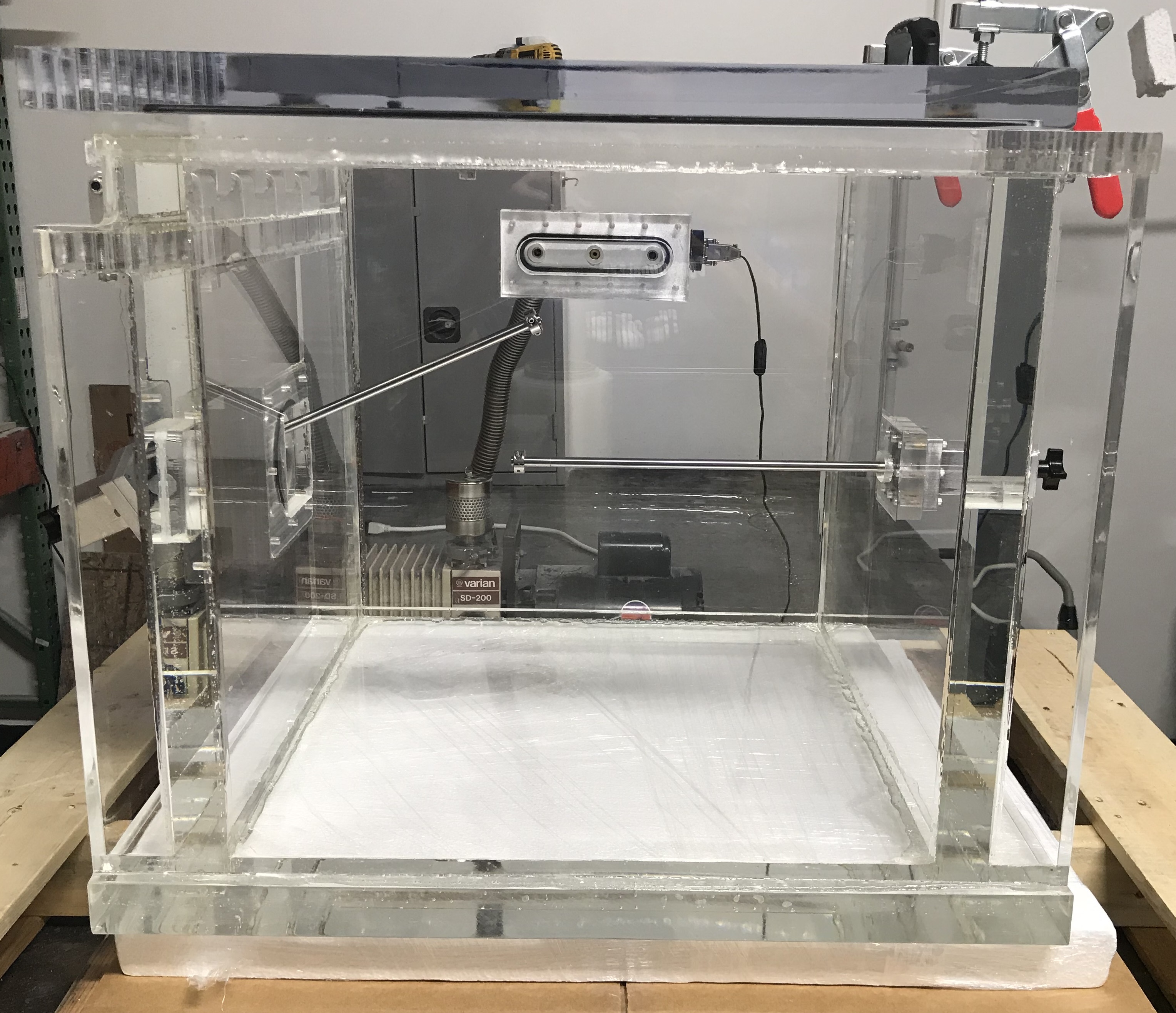
Vacuum Wobble Stick And A Vacuum Linear Actuator 01
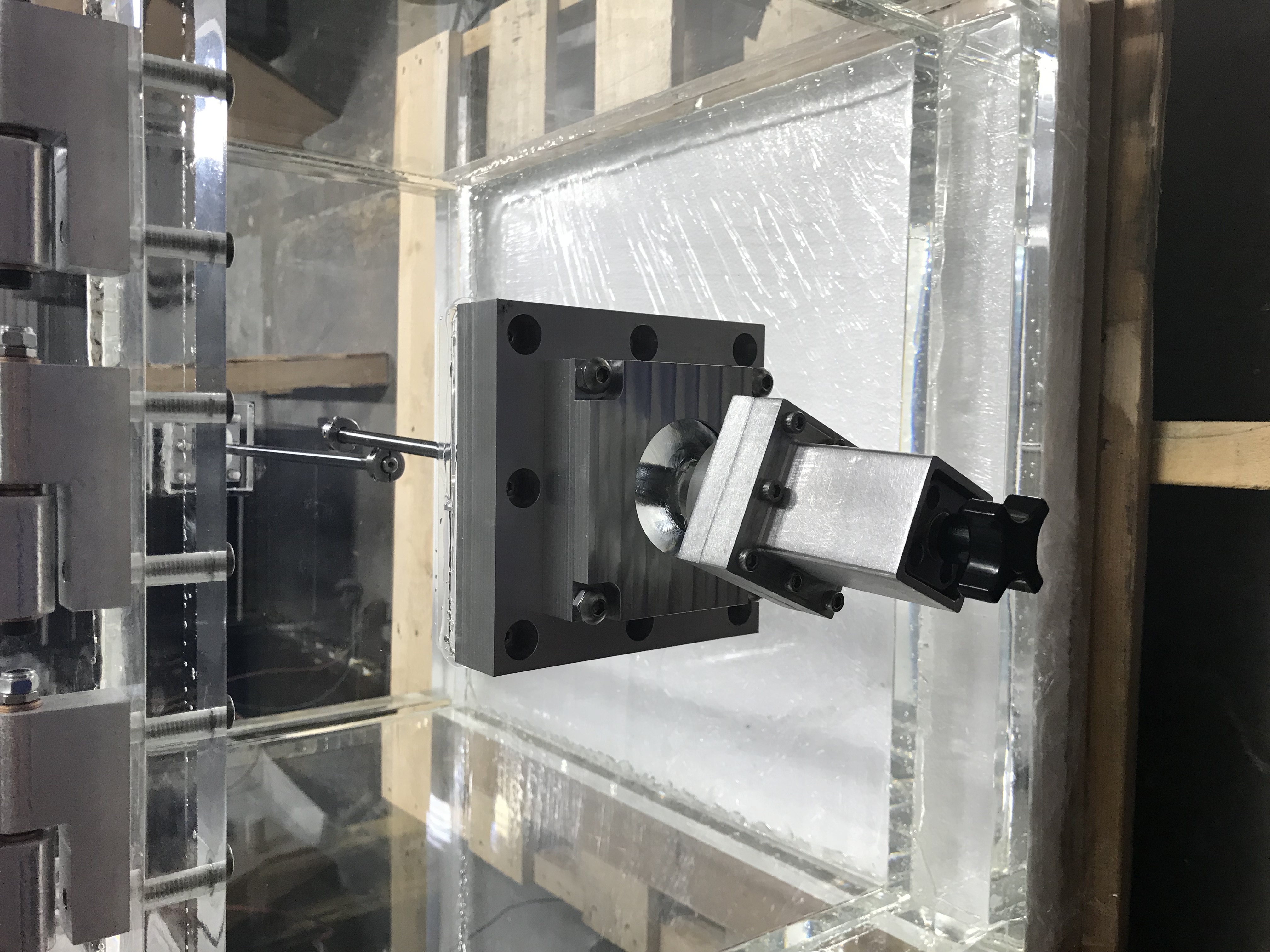
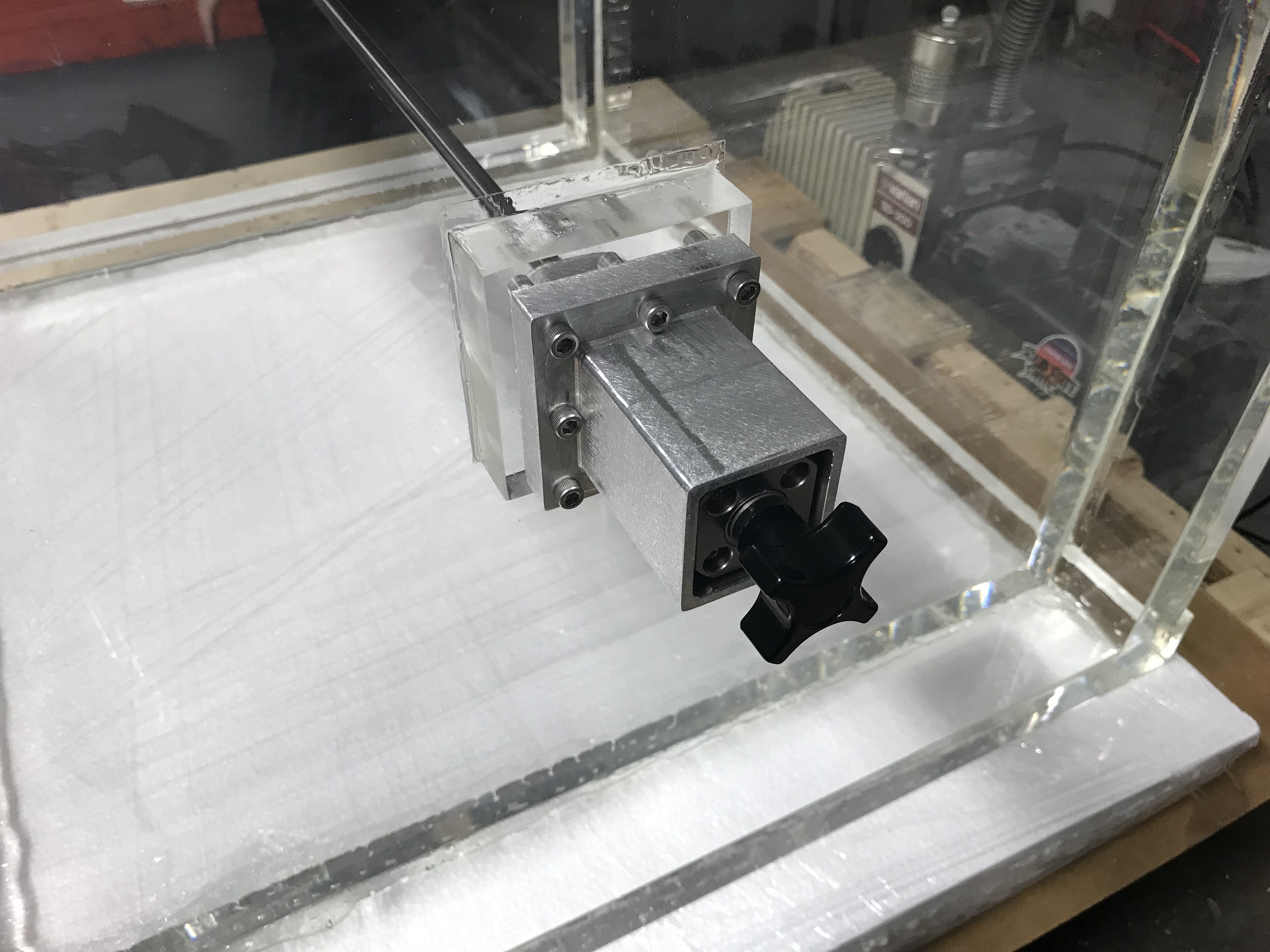
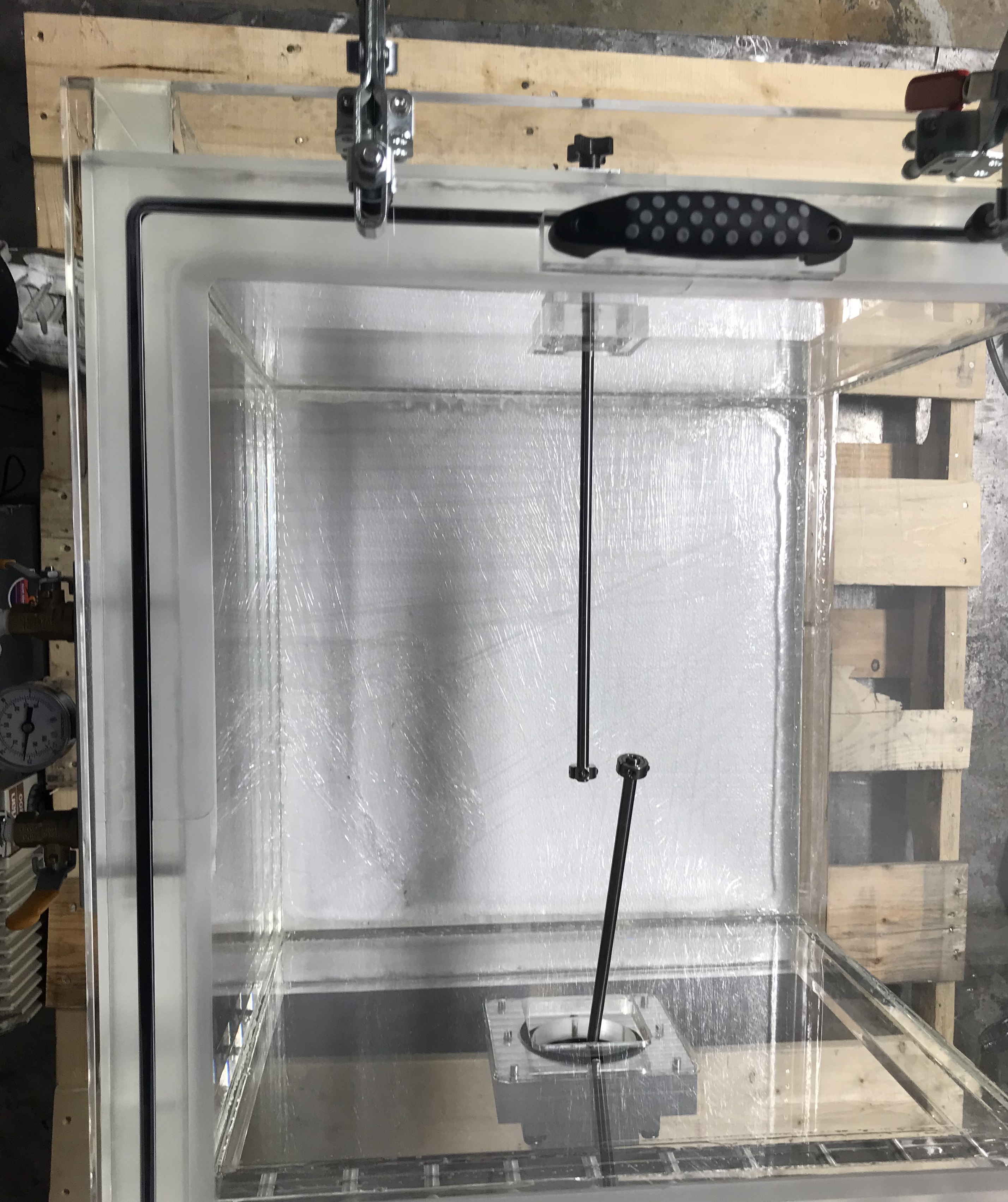
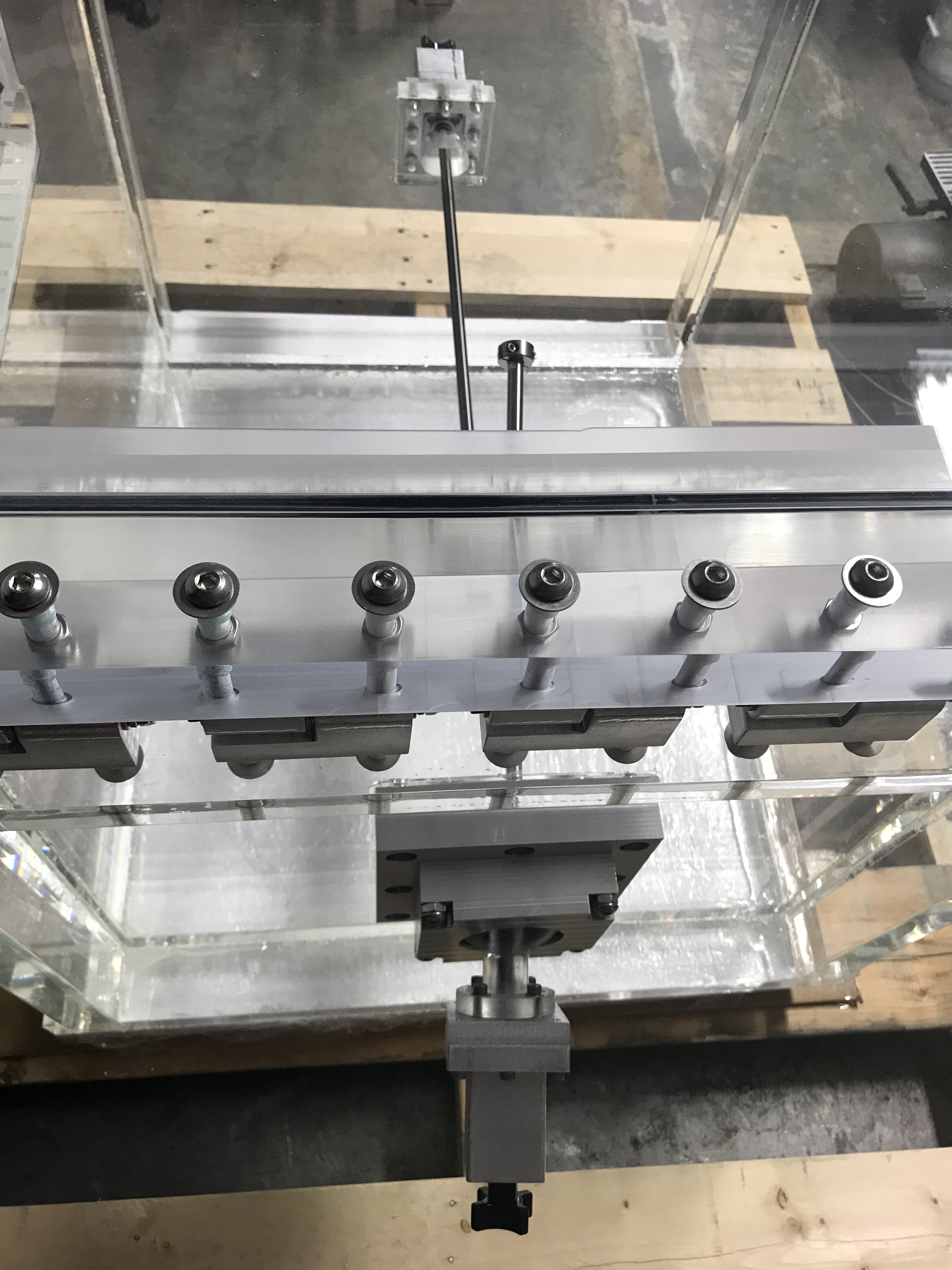
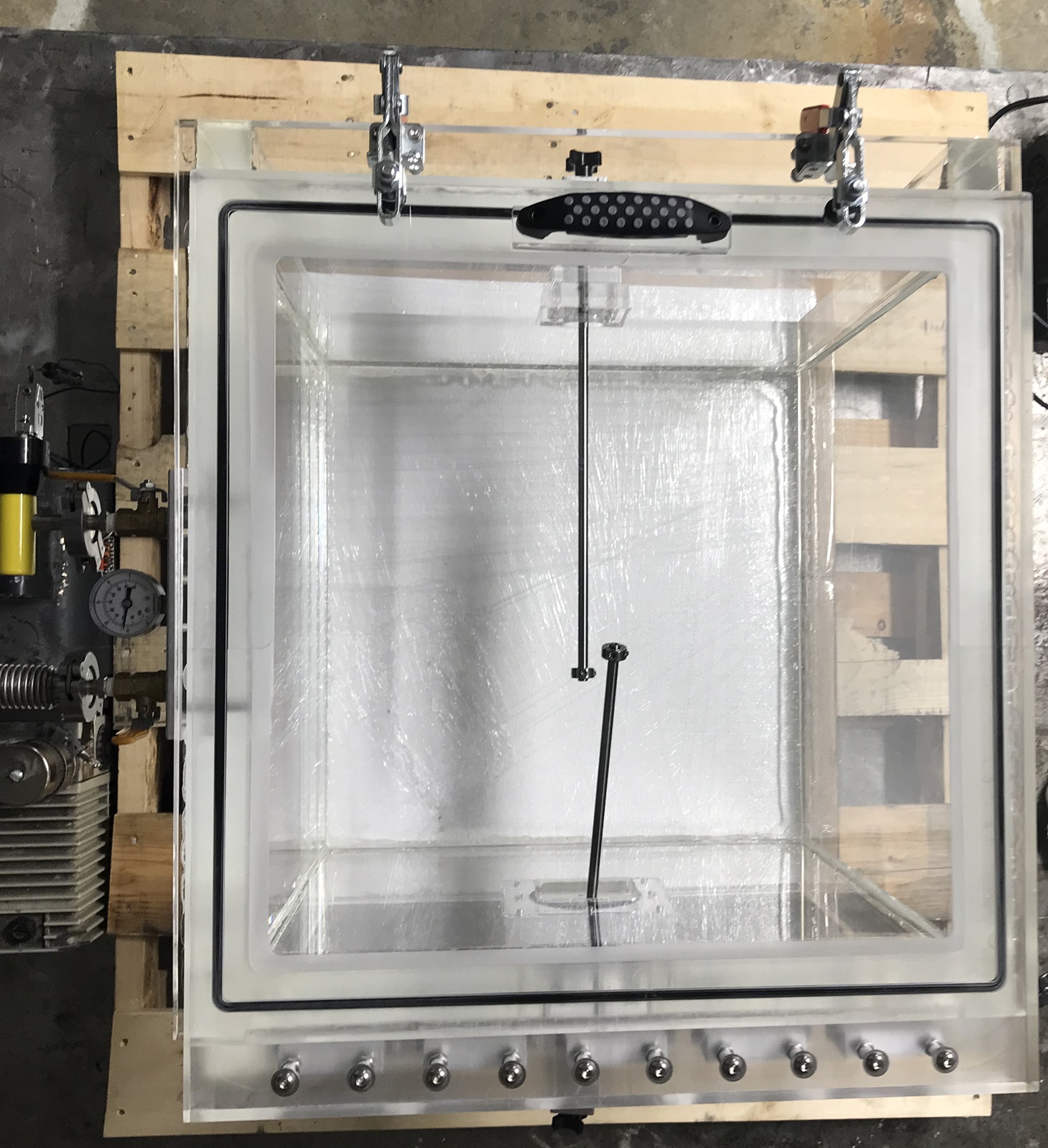
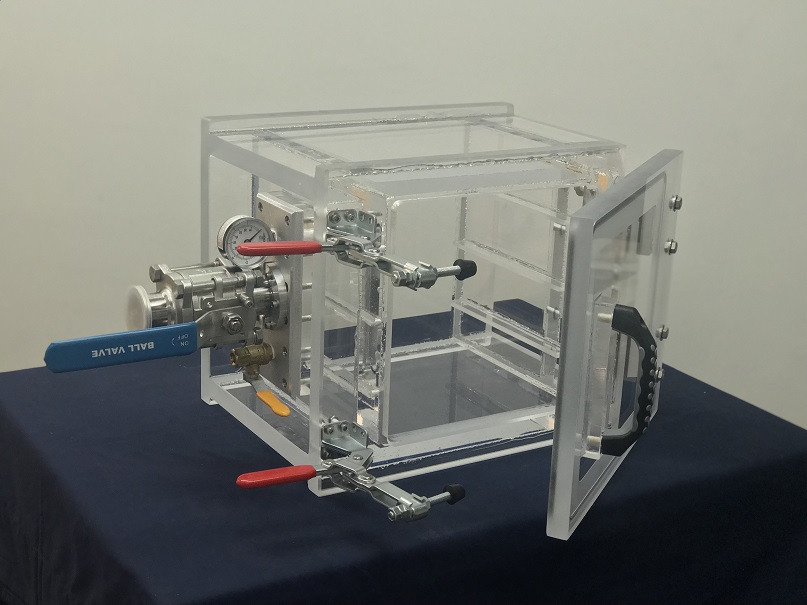
A Vacuum Wobble Stick And A Vacuum Linear Actuator are used to interact with chamber interiors while the chamber is closed and under vacuum. This is our standard 20 inch acrylic vacuum chamber, hinged front door that features two types of vacuum motion, manipulation, and interaction while specimen is under vacuum.

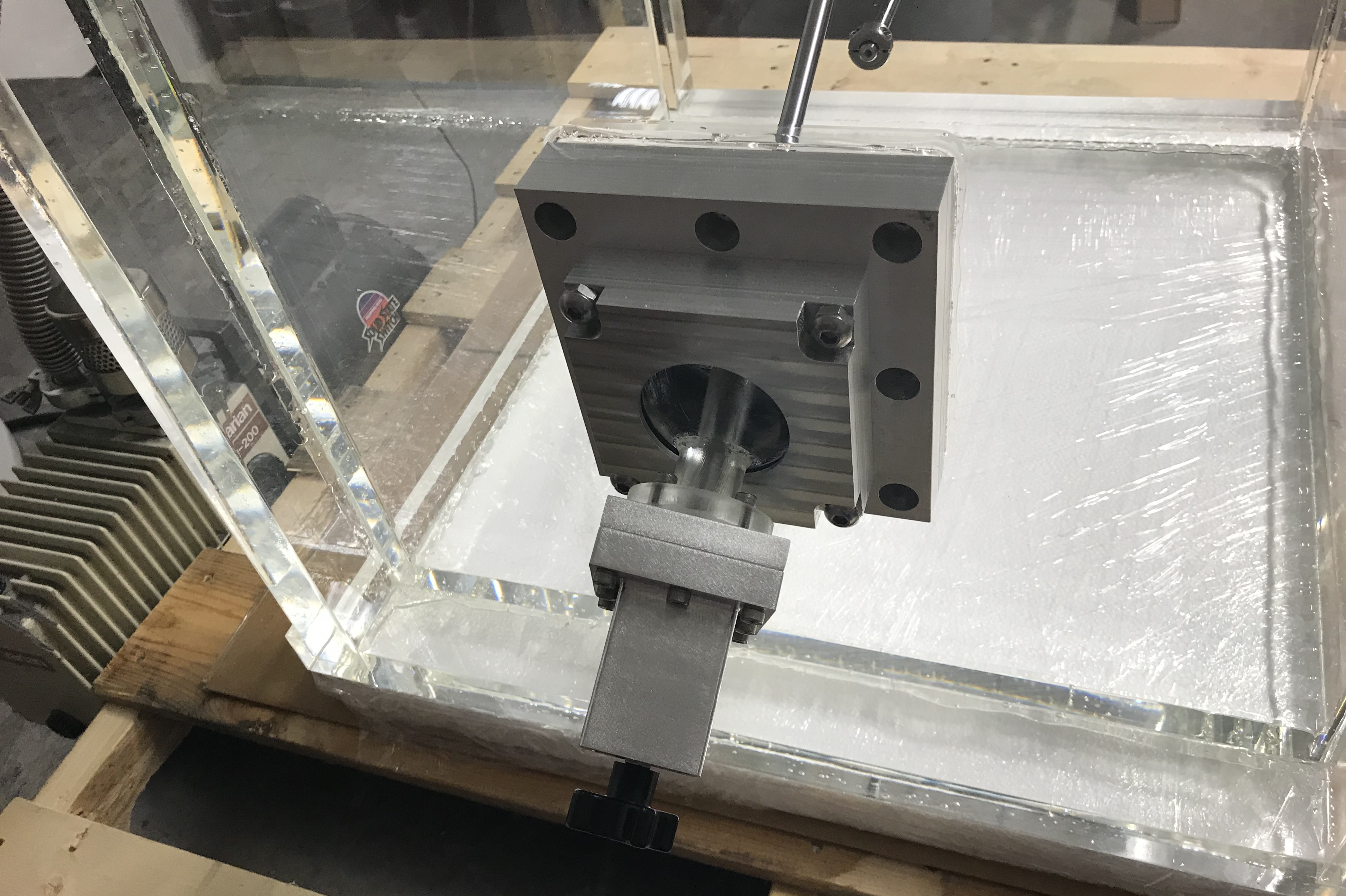
The first type is a vacuum wobble stick which is the only one in the vacuum industry to have the ability to wobble at 60 Degrees conical angle, have a linear travel of 10 inches, and have full clockwise and counterclockwise rotation. The second type is a linear slide, it features a linear motion of 14 inches. In addition to linear motion, this vacuum linear slide is also capable of full clockwise and counterclockwise rotation.

Keep in mind that these vacuum actuators are not rated for UHV, these are designed for rough, low, and medium (RLM) vacuum environments to be used specifically with acrylic vacuum chambers or in systems where UHV is not a requirement. The advantages of using such vacuum actuators in RLM environments is the cost savings that are an order of magnitude lower as well as the simplicity of design, customization, and integration.

Video of the Vacuum Wobble Stick And A Vacuum Linear Motion Actuator
Did you know that we carry a many more products?

We are an Engineering Excellence Company. You should check out some of our other items we carry; click on the links below.

Vacuum Degassing Systems
Vacuum Degassing Systems enable you to remove trapped gas inside your liquids - generally, epoxies. Degassing is a vital part of any two part or more mixing process, this includes but is not limited to epoxy, pharmaceutical mixing, potting, recipe creation. A vacuum degassing system consists of a vacuum pump, connection hardware (includes filters and traps) and a vacuum chamber.
Power Vacuum Feedthroughs
Power vacuum feedthroughs are hermetically sealed off the shelf components used to transfer electrical power from the outside of the vacuum chamber into the inside of the vacuum chamber without compromising the vacuum. One example application would be powering an electronic device inside the vacuum chamber
Our Work: Bubble Leak Testing System with a Dry off Sink used for Leak Testing Large Bags
How do you leak test Large Food Bags? This is the same question a Large Food and Beverage Processor had asked themselves because they had need for a bubble leak testing system which could be used to detect presence of leaks in their large bags. Their requirements were to test several sized bags with the largest bag being 24 inches Wide by 12 inch Deep by 9 inches High. In addition to the bubble leak testing system, they also needed a way to dry the bags after the test.
Related Articles: Force Decay Leak Testing
Force Decay Leak Testing is a very popular quantitative leak testing method used to quality test package and product integrity due to its ability to detect small leaks which cannot be seen through visual inspection. In this method, the test specimen is internally inflated by either internal pressurization or vacuum force. The inflated test specimen will, in turn, apply a force on a pressure transducer. Finally, the change in force applied by the inflated specimen over a specified time is observed.