Mechanical pumps move gas out of your chamber, but eventually every deep-vacuum system needs a pump that captures gas instead. Getter pumps are the smallest, quietest members of that family: valveless pumps that lock reactive gas molecules away as solids and hold a sealed envelope at ultrahigh vacuum with no moving parts. They are also easy to misuse, because the chemistry that makes them elegant also draws a hard line around what they can and cannot pump.
Table of Contents
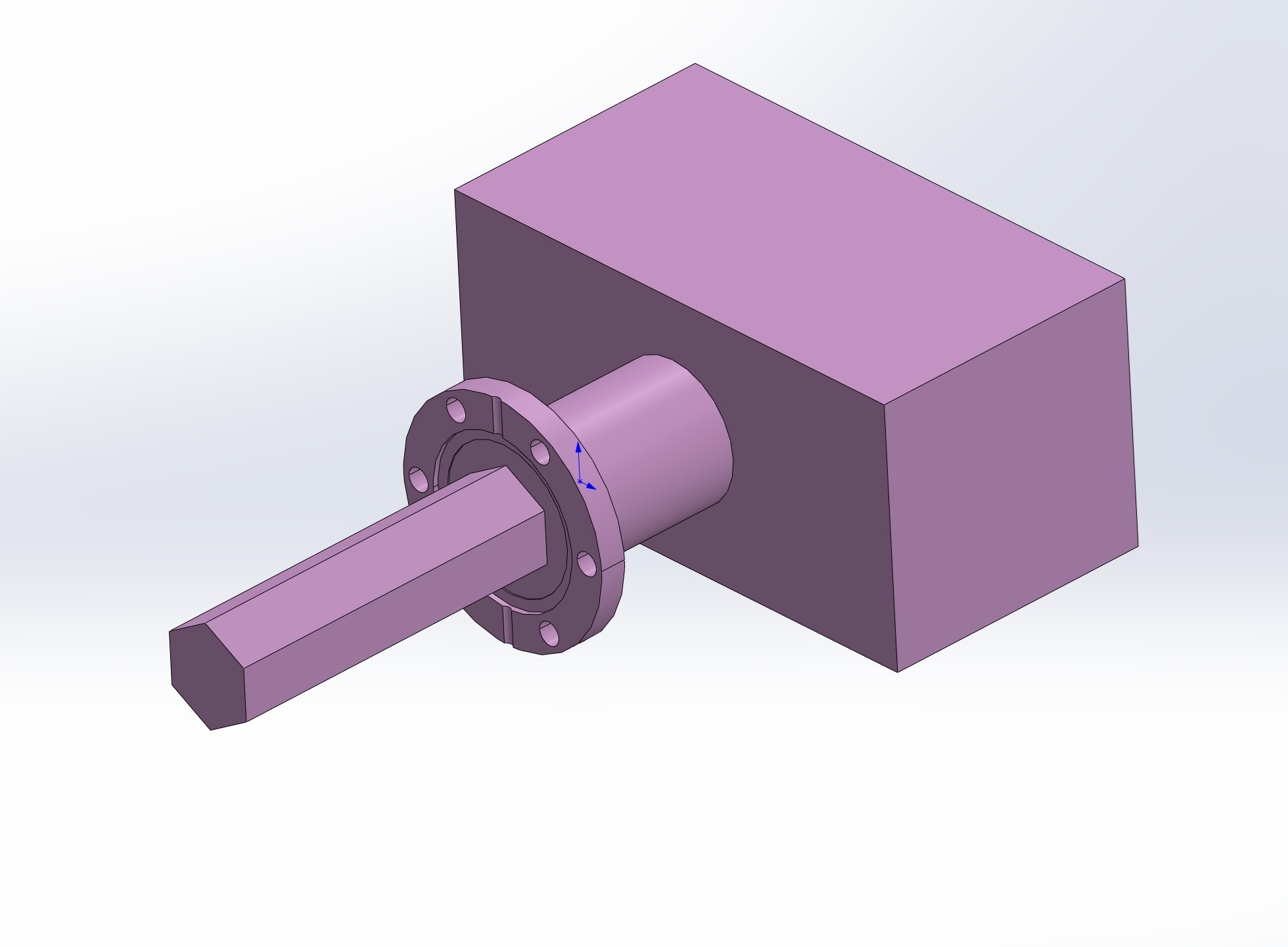
Figure 1. Getter pumps belong to the capture-pump family, permanently removing chemically active gases by turning them into low vapor pressure solids.
What Is a Getter Pump?
Gettering is as old as vacuum technology itself. The earliest electron-tube workers had to literally get residual gases by tying them up inside the vessel, and the name stuck. Getter pumps belong to the capture-pump category alongside cryopumps and sputter-ion pumps: gas is permanently removed from the vessel rather than handed off to the next stage of a pump.
The category splits in two. Physical getters adsorb: a zeolite molecular sieve at liquid nitrogen temperature physically absorbs water vapor and the common air gases alike, exactly how cryosorption roughing pumps work. Chemical getters are what most people mean by the word: a chemically active metal that reacts with an active gas to form a low vapor pressure ceramic compound. Oxygen becomes an oxide, nitrogen a nitride, carbon dioxide and carbon monoxide a mix of carbide and oxide, and water an oxide plus hydrogen that dissolves into the metal. Hydrogen is the odd gas out; it never forms a compound and simply dissolves into the getter metal as a solid solution. The inert gases are not pumped at all, and that single fact governs every getter system design decision.
Evaporable Getters and the Titanium Sublimation Pump
An evaporable getter is a slug of barium or barium alloy flashed to a bright mirror inside an envelope. In a tube ready for tip-off, the slug is heated until it evaporates and condenses on the inner walls, where the reactive coating sits as a pump in place. The laboratory version is the titanium sublimation pump, or TSP. A resistively heated titanium/molybdenum filament, or an indirectly radiated titanium slug, reaches roughly 1450 degrees C and the titanium sublimes, going straight from solid to vapor without ever becoming liquid. The vapor then condenses as a fresh film on a cold internal array. That film is the pump, and its speed is proportional to its total surface area.
Film speed decays as the film reacts, so lifetime is set by gas load: light ultrahigh-vacuum loads run for years, heavy process loads for minutes. The source ages too; it absorbs hydrogen on every heat-up, and reheating a saturated source releases that hydrogen back into the chamber, so naive on/off cycling produces repeating pressure spikes. The fix is holding the source elevated, but below sublimation temperature, at all times. Layering fresh titanium over hydrogen-saturated titanium builds stress until films crack and flake, throwing particles into the chamber. Used inside its envelope, a TSP stays an economical, clean, high-speed pump for ultrahigh vacuum.
Non-Evaporable Getters and Activation
Non-evaporable getters, NEGs, stay solid for their entire service life. Usually zirconium-based alloys supplied as pellets or thin films bonded to a metallic substrate, they arrive essentially inert: air exposure skins the material with reacted oxide and nitride layers, and the bulk is saturated with dissolved hydrogen.
Activation is a bake performed in place under vacuum. Heat diffuses the passivating skin into the bulk and drives dissolved hydrogen out of the metal where the main vacuum pump can eject it. That is why a base pressure near 10-4 torr is required and pumping time matters; hydrogen left in the chamber gets re-pumped later and eats into the getter's remaining capacity. As the alloy cools, its clean surface reacts with active gases and its bulk dissolves hydrogen again until the surface skins over for good, years under ultrahigh vacuum or minutes under a heavy process load. When the load is heavy, hold the NEG above room temperature so pumping and diffusion continue together as a continuous activation cycle; hotter metal diffuses faster but holds less hydrogen. In hydrogen service, a NEG is a common dedicated booster pump in tandem with a cryopump or turbo pump.
Why Do Getter-Pumped Systems Still Fill With Argon?
Because getters cannot capture inert gases, and the ambient world keeps feeding your chamber one anyway. Elastomer seals are slightly gas-permeable, and air is about 0.9 percent argon, so air permeates continuously across every O-ring seal in sight of the vacuum side. That trickle is negligible for the active gases, but it is all argon, which a getter cannot get. The arithmetic is sobering: a single ISO/KF-10 Viton O-ring can let argon pressure climb from about 1 x 10⁻⁶ torr past 1 x 10⁻⁴ torr in roughly 100 hours in a one-liter chamber, and a residual gas analyzer will confirm it. The countermeasures are metal gaskets or a small appendage sputter-ion pump for the trickle. Note this is not a virtual leak; it is a steady permeation feed your design has to block or pump.
A final rule for batch systems. Every air exposure passivates the NEG and forces another activation, and active gas hitting a hot getter reacts exothermically in a runaway excursion that is a genuine safety problem. So vent cycled systems to argon instead of air, or house the getter in a separate cartridge valved off from the chamber while it is warm.
Put a Clean, Quiet Pump on Your System
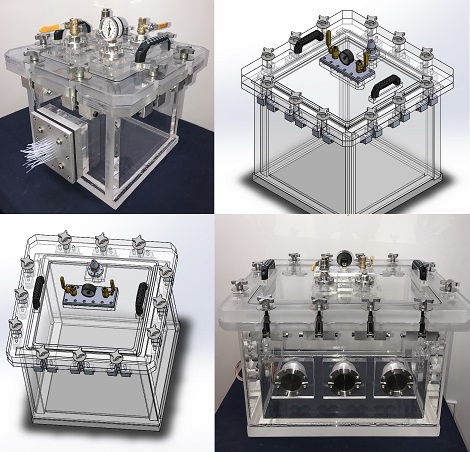
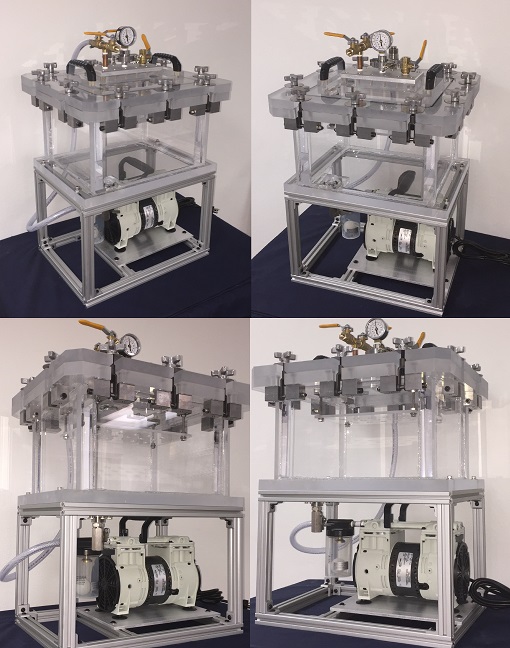
Chosen well, a getter system is compact, economical, valveless pumping that holds ultrahigh vacuum for years. Sanatron has designed and built custom vacuum chambers and pump packages since 2008, with seal selection and feedthrough placement engineered around exactly these gas loads from the drawing stage forward. Contact Us today and talk to a real engineer about your application.
Frequently Asked Questions
What is a getter pump?
A getter pump is a compact capture pump with no moving parts. A chemically active metal reacts with active gas molecules and locks them away as a low vapor pressure solid, permanently removing them from the chamber.
What gases can a getter pump actually remove?
The active gases: oxygen and nitrogen form oxides and nitrides, carbon dioxide and carbon monoxide are converted to carbide and oxide, and water vapor is split into oxide plus hydrogen. Hydrogen never forms a compound; it dissolves into the getter metal as a solid solution. The inert gases are not pumped at all.
How do you activate a non-evaporable getter?
You heat it in place under vacuum after the system is down near 10-4 torr. Heating diffuses the air-exposed oxide and nitride skin into the bulk of the alloy and drives dissolved hydrogen out of the metal, where the main pump can eject it.
Why does my getter-pumped chamber still fill up with argon?
Because getters cannot pump inert gases, and argon permeates through your elastomer seals. Air is about 0.9 percent argon, and one small Viton O-ring can let argon climb from 1 x 10⁻⁶ torr past 1 x 10⁻⁴ torr in about 100 hours in a one-liter chamber. Use metal seals, or a small appendage sputter-ion pump dedicated to that trickle.
When should I choose a getter pump over a turbo pump or cryopump?
When the gas load is light and the envelope must stay clean and particle-free, or you need compact, valveless pumping; light loads mean lifetimes measured in years. Never let an active gas meet a hot getter, because the exothermic reaction can run away.
Related Articles:
■ Vacuum O-Ring Seals: Selection, Gas Loads, and Leak Prevention
■ Residual Gas Analyzers and Quadrupole Mass Spectrometry, Explained
■ Virtual Leaks in Vacuum Systems: Causes, Detection, and Solutions
WAIT! Take a look at similar Items you may like…
We are an Engineering Excellence Company. What are you building? Take a look at the links below and discover some of the cool things we make.