Permanent joints in a vacuum system get welded, but every door, flange, and viewport that has to open depends on a demountable seal. Metal gaskets are cleaner and more reliable but costlier and more labor intensive, so elastomer O-rings get used wherever the process allows. Handled casually, a rubber ring is the biggest leak-like gas load in the system; handled properly, it is a reusable, dependable seal. Here is how to pick the material, understand the gas it releases, and design the joint so the seals stop being the problem.
Table of Contents
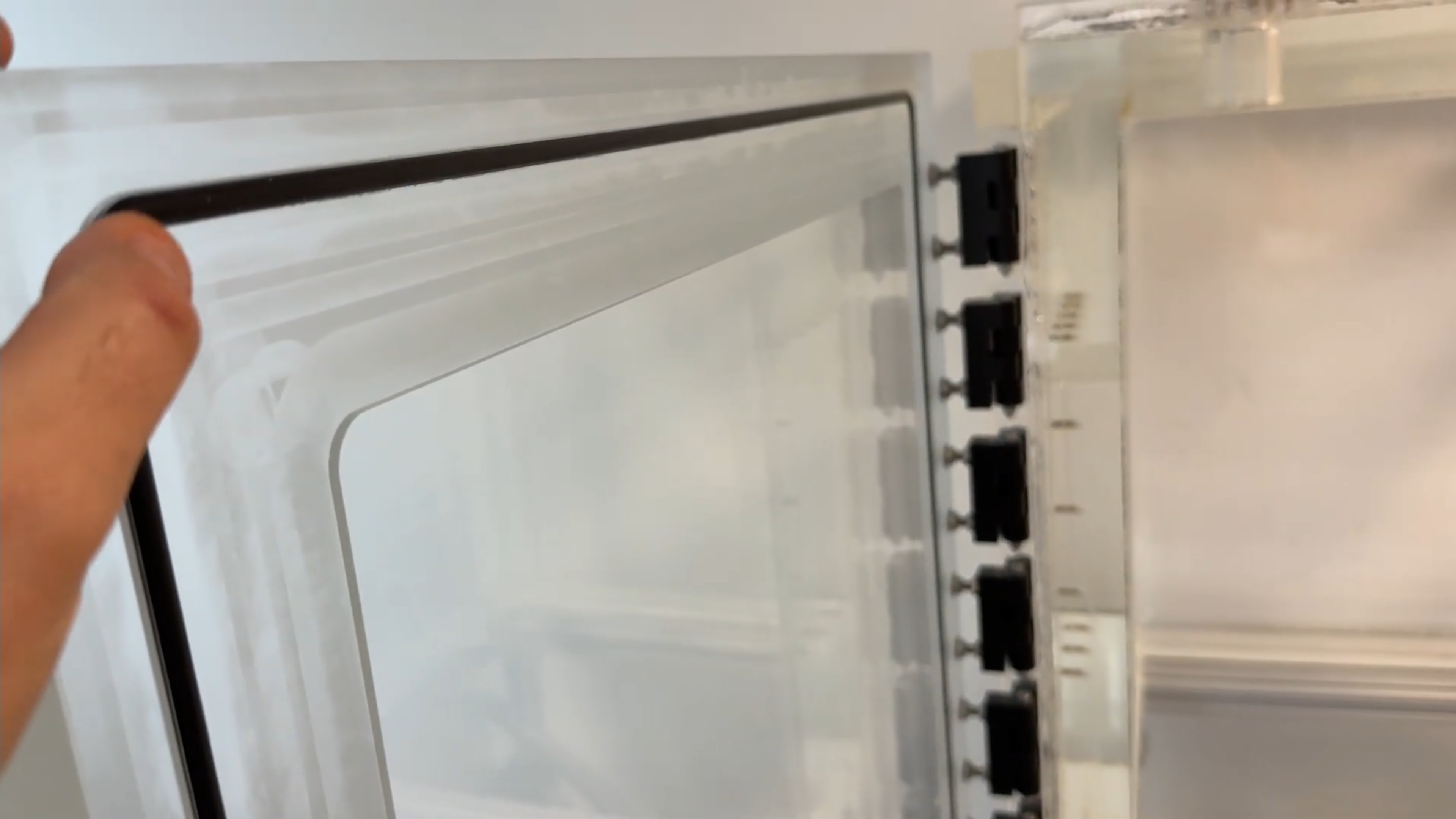
Figure 1. Elastomer O-ring seals are the most common demountable vacuum seal, and their material, groove, and handling decide the system's real gas load.
What Makes an O-Ring Work in Vacuum
An elastomer is an organic polymer with elastic resilience: compressed between two smooth metal faces, it flows into the microscopic imperfections of the flange and stores force to push back and reseal on every reopening, unlike Teflon, which flattens into its compressed shape and stays there. And O-ring material is not a single defined chemical. It is a compounded recipe of base resin, fillers, plasticizers, and curing agents that varies from supplier to supplier and lot to lot, so published properties are representative at best.
Choosing the Right Elastomer
Four generic families cover most vacuum work, spanning orders of magnitude in permeation and outgassing performance. Butyl has the lowest helium permeation but the lowest temperature ceiling. Buna-N nitrile is the low-cost default for rough and medium vacuum. Fluoroelastomers such as Viton and Fluorel are the general-purpose workhorses: pre-baked, they outgas roughly thirty times less than nitrile and survive brief bakeouts. Perfluoroelastomers such as Kalrez and Chemraz resist chemical attack and continuous heat best of all, at the highest cost. Process gases can attack or modify an elastomer, so consult the manufacturer's chemical-resistance tables and pick compatibility first. A ring rated at 200 degrees C still breaks down slowly starting near 150 degrees C: short bake excursions are fine; a continuously hot oven wall is another application entirely.
How Do O-Rings Add to the Gas Load in a Vacuum System?
With a fixed pumping speed, the gas the seals release sets the pressure floor. Elastomer seals feed the chamber by two distinct mechanisms.
- 1. Outgassing is desorption of surface-adsorbed gas, mostly water picked up in air, plus gas diffusing out of the bulk. It starts high at pumpdown and declines slowly. New rings carry unreacted monomer, solvents, and curing-generated water, and conditioning one at room temperature can take weeks or months. Bake rings in a vacuum oven before installation, or buy them pre-baked, so those contaminants never enter your chamber during the first system bake.
- 2. Permeation is ambient gas traveling through the elastomer itself along the long, twisted polymer chains. Driven by the fixed partial-pressure difference of ambient air across the seal, it is constant and never fades with pumping time. Each gas permeates each material at its own rate, and water vapor permeation climbs sharply with humidity and temperature.
A rough but useful rule of thumb for deciding whether your seals or your chamber walls dominate the water-vapor load: one linear inch of Buna-N outgasses like 45 square inches of wall, and one linear inch of Viton equals about 18. Multiply total linear inches of seal by the matching factor and compare against the real internal surface area. In most systems the O-rings win, which is why pre-baked fluoroelastomer rings earned their popularity. Field test when the material is unknown: tap a ring with a screwdriver handle. Buna-N bounces rubbery; Viton gives a dull thud.
When Vacuum Grease Actually Helps
A vacuum grease is not just thickened oil. Like every grease, it is a semi-solid made of a base oil (mineral, ester, PAO, silicone, or PFPE) held in a thickener such as a lithium soap or an inorganic thickener, and the base oil is what sets the vacuum behavior. A true high-vacuum grease, of the Dow Corning high-vacuum silicone grease type that shops have used for decades, is made from a very low-vapor-pressure silicone oil and an inorganic thickener, has no drooping or melting point to creep away from the seal, resists water and chemicals, and works from roughly minus 40 to 200 degrees C at pressures down around 10-6 mbar and better. That is what people mean when they ask for "vacuum grease," and it is a different animal from the grease on a mechanical bearing.
So why put it on a joint that seals by compression alone? Three reasons. First, a thin film of grease fills the microscopic roughness of the flange face and wets the O-ring, which cuts the micro-channels that let air creep past a dry, scratched, or worn metal surface. Second, it displaces water: the grease film keeps ambient moisture from ever reaching the rubber, which is precisely the water-vapor load that wrecks ultimate pressure on a system that is not baked. Third, it lubricates assembly, so the ring rolls and twists into the groove cleanly instead of pinching and twisting as the bolts come down. On ground-glass joints, stopcocks, and older metal flanges that have been nicked beyond polishing, a correctly applied film turns a marginal joint into one that holds. Used on the vacuum side of the seal, it also adds a permeation barrier right where the gas has to diffuse through.
The same properties are the reason to be sparing and to know when not to use it at all. A grease film is itself a gas load: it outgasses until saturated, and silicone grease slowly siloxane-vapor-deposits everywhere cold inside the chamber, which films view ports and ruins hot-cathode ionization gauge readings. Anything above about 200 degrees C polymerizes and releases gas, so greased joints do not survive real bakeouts, and clean bakeable ultra-high-vacuum work goes back to metal gaskets for exactly this reason. Grease is also useless where a dry seal must stay clean; even dry, oil-free pump manuals tell you flatly that lubrication should not be attempted on their non-lube pistons and cylinders. And in enriched oxygen, hydrocarbon and silicone greases become fuel: that service calls for inert PFPE chemistry instead. The practical rule: use the thinnest film that does the job, on joints you never plan to bake, and leave it off entirely where cleanliness matters more than convenience. If you need vacuum grease and lubricants matched to your application, Sanatron carries and supports them as part of a complete system.
Designing Grooves and Defeating Permeation
Another failure mode is built into the joint itself: groove geometry. An O-ring groove is a dead volume, and a groove that walls off a gas pocket, like the dove-tailed retaining groove on a frequently opened vertical door, is a classic virtual leak. A radial groove, or vent channels running from the vacuum side of the flange to the groove, gives trapped gas a pumped escape.
The other is permeation through long seals such as full-opening doors, which can dominate the gas load once a ring is baked and conditioned. The reliable fix is a guard vacuum: run two concentric O-rings, or an outer inflatable seal, with a channel between them pumped to a rough vacuum of roughly 1 to 10 torr by a small diaphragm pump, starving the inner ring of permeable gas. When you probe a flange during helium leak testing, remember the signature: a real leak jumps the signal within seconds, while permeation rises slowly and fades slowly when the helium moves away.
O-Ring Handling and Maintenance Do's and Don'ts
- 1. Wear clean lint-free gloves. Bare fingers deposit skin oils, and plastic gloves can transfer plasticizers.
- 2. Never clean elastomer O-rings with solvents; the material absorbs them, swells, and permeates far more gas afterward.
- 3. Never ultrasonically clean a ring; the bath drives water into the material.
- 4. Wipe with a lint-free tissue, and use a damp tissue only when mold-release powder is visible.
- 5. Never grease a ring unless truly necessary. A scratched seal face is better dressed with a stone or Scotch-Brite than sealed over with grease.
Get Your Seals and Your System Right the First Time
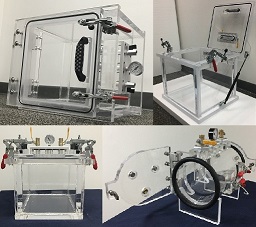
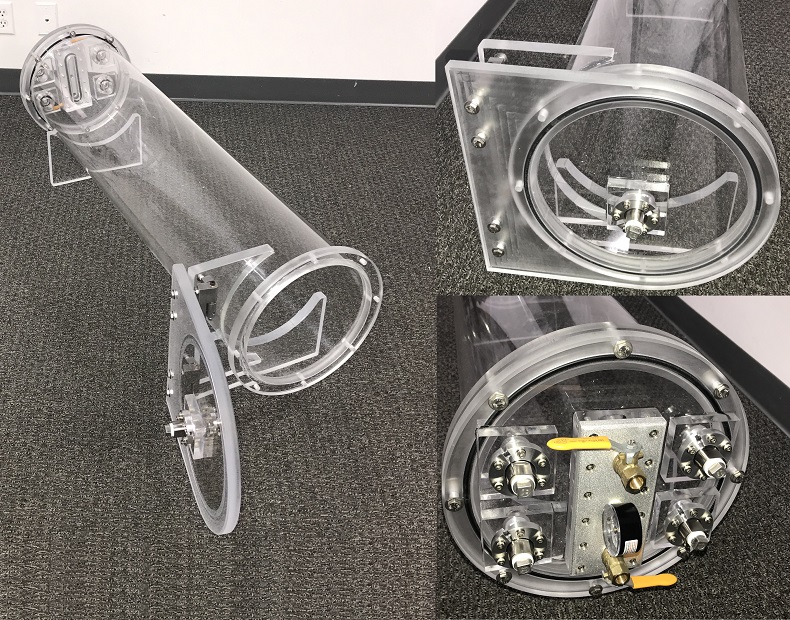
A well-chosen, well-vented O-ring joint is the difference between a chamber that pulls a predictable, clean vacuum and one that spends its life chasing phantom leaks. Sanatron has designed and built custom acrylic vacuum chambers, vacuum chambers, and complete custom-engineered systems since 2008, with seal grooves engineered for venting, permeation, and serviceability from the drawing stage forward. Contact Us today and talk to a real engineer about your application.
Frequently Asked Questions
What is the best O-ring material for vacuum applications?
Buna-N is the default and that is what we use for our Acrylic Vacuum Chambers. However, no single family is best; each trades permeation, outgassing, temperature limit, and cost differently. Viton-family fluoroelastomers are the best all-around choice for general vacuum work, Buna-N is the economical default, butyl has the lowest helium permeation, and perfluoroelastomers like Kalrez handle hostile chemistry and heat at the highest cost.
What is the difference between O-ring outgassing and permeation?
Outgassing is gas, mostly water vapor, desorbing from the seal's surfaces and diffusing out of the bulk, and it declines with pumping time. Permeation is ambient gas passing through the elastomer, driven by the partial-pressure difference across the seal. Outgassing fades as the ring conditions; permeation is a constant background that never fades.
How do I know if my vacuum chamber door seal is actually leaking?
Probe the flange with helium and watch the signal shape. A real leak jumps the reading within seconds, while permeation through an intact ring rises slowly and decays slowly once the gas is removed. Gas trapped in the seal groove also bleeds out slowly, like a virtual leak.
Also, if you don't have a helium leak tester, most people won't, you can also pull a vacuum and spray either water, soap, or dye and see if there is penetration the other side. If the leak is large enough, it will show. If it is small, you will not be able to tell with this method. For smaller leaks, helium is the way to go, for rough leaks, penetration test is a better, faster, and economical option.
How should vacuum O-rings be cleaned and handled?
Handle rings with clean lint-free gloves; skin oils contaminate the seal and plastic gloves can transfer plasticizers. Never clean elastomer rings with solvents, which they absorb and swell from, and never ultrasonically clean them. A wipe with a lint-free tissue is best, and a damp tissue is fine only for visible mold-release powder.
What is a guard vacuum and when do I need a double O-ring seal?
A guard vacuum is a double-seal arrangement where two concentric O-rings share a channel that is separately pumped to a rough vacuum of roughly 1 to 10 torr. Starving the inner ring of gas at its outer surface reduces permeation to a negligible level, which is worth the extra plumbing on long seals such as full-opening doors.
Related Articles:
■ Virtual Leaks in Vacuum Systems: Causes, Detection, and Solutions
■ Troubleshooting Pressure Decay and Vacuum Decay Test Failures, Root Cause Analysis from Your Curve
■ Vacuum Gauges: How to Measure Vacuum From Atmosphere to High Vacuum
Some of our Popular Items
We make Robustly Designed and Quality Engineered Systems. Check out some of our other items we carry that you can combine/integrate with your systems or projects.