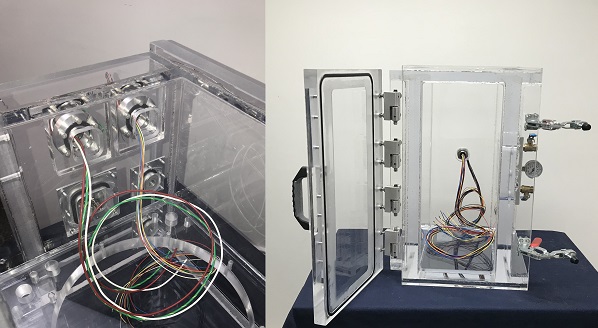
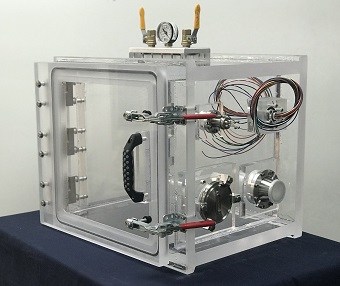
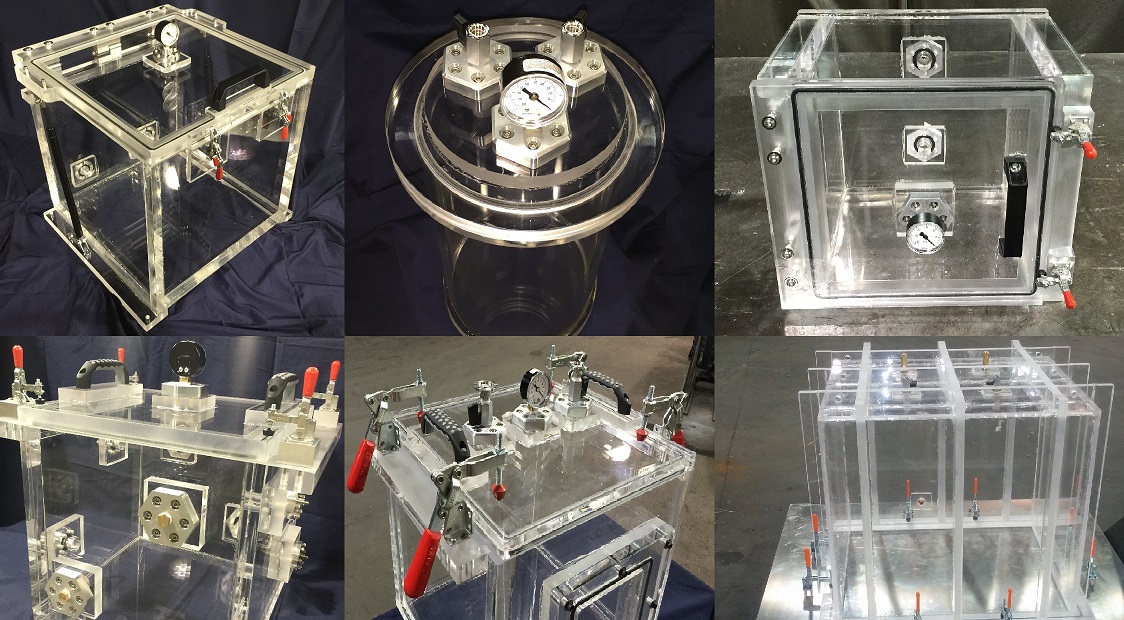
Modified 14 inch Cube Vacuum Chamber for Degassing
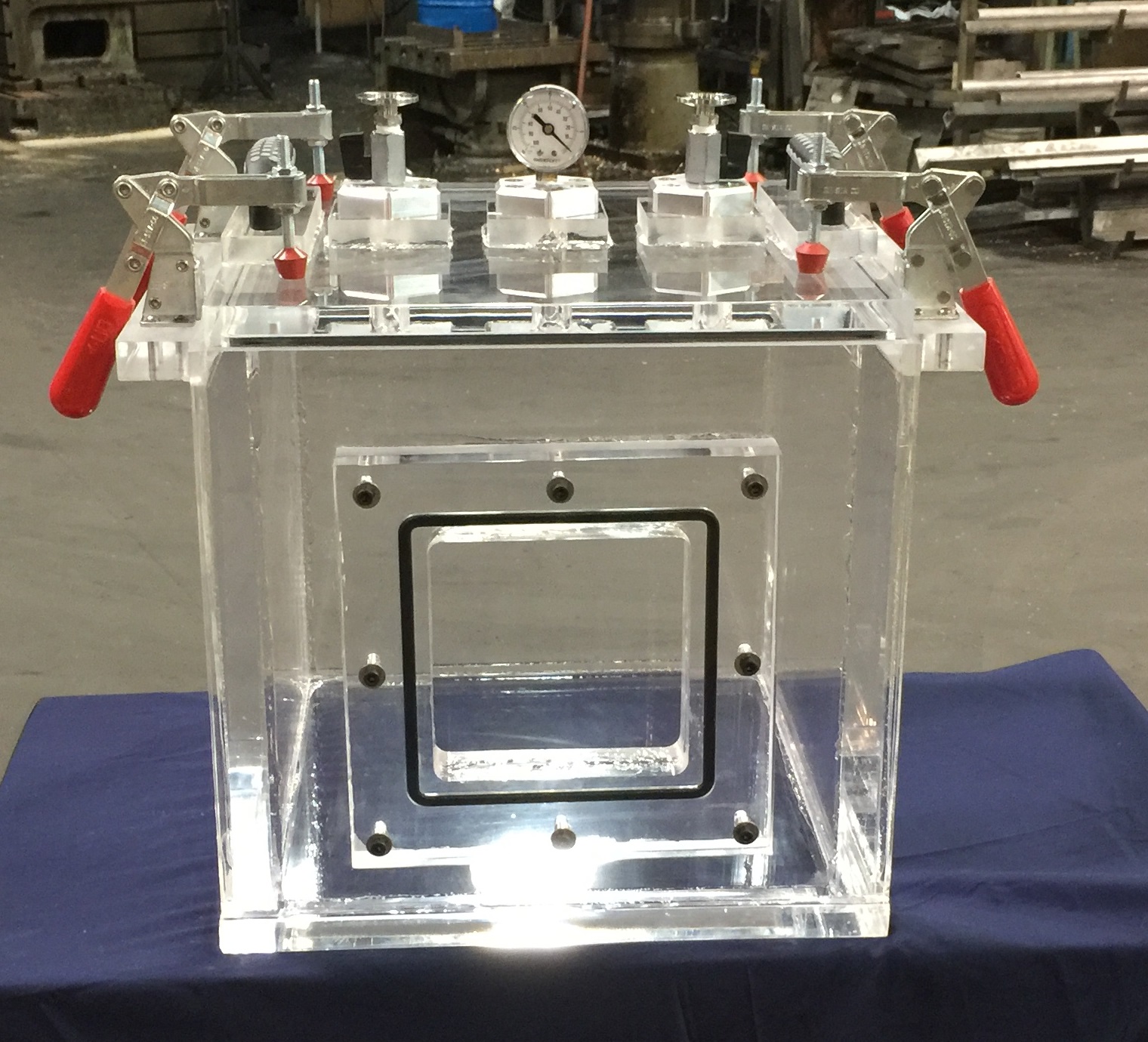
Modified 14 inch Cube Vacuum Chamber for Degassing
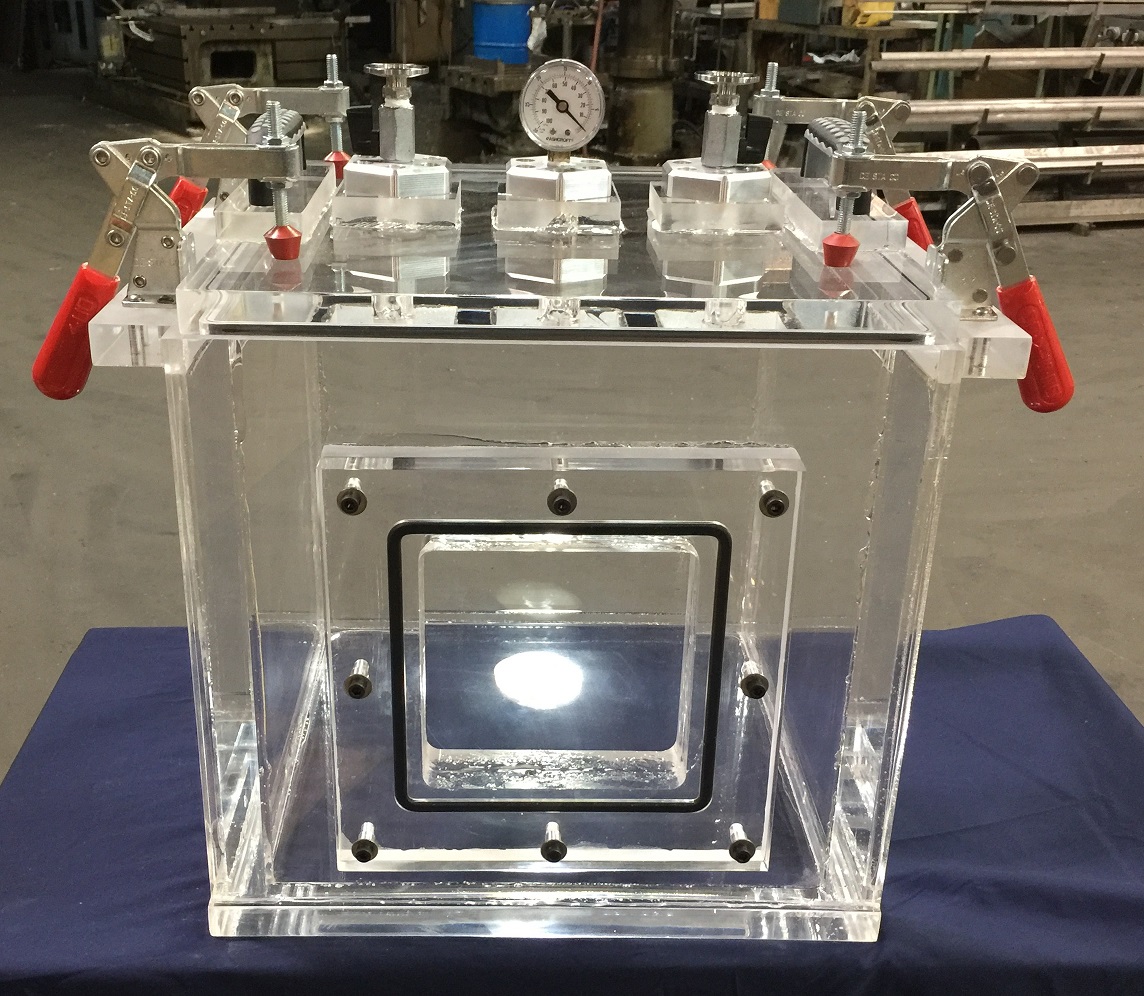
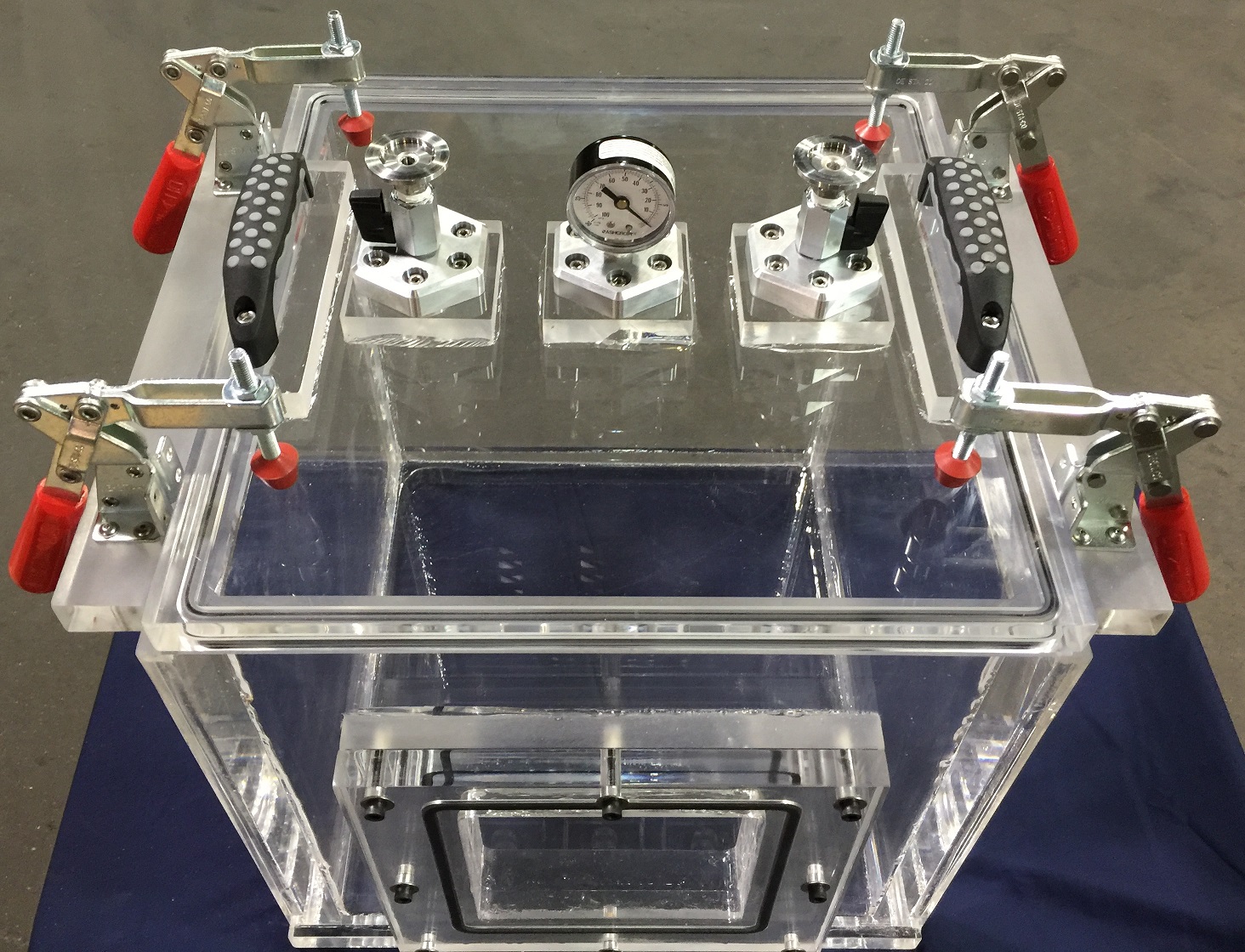
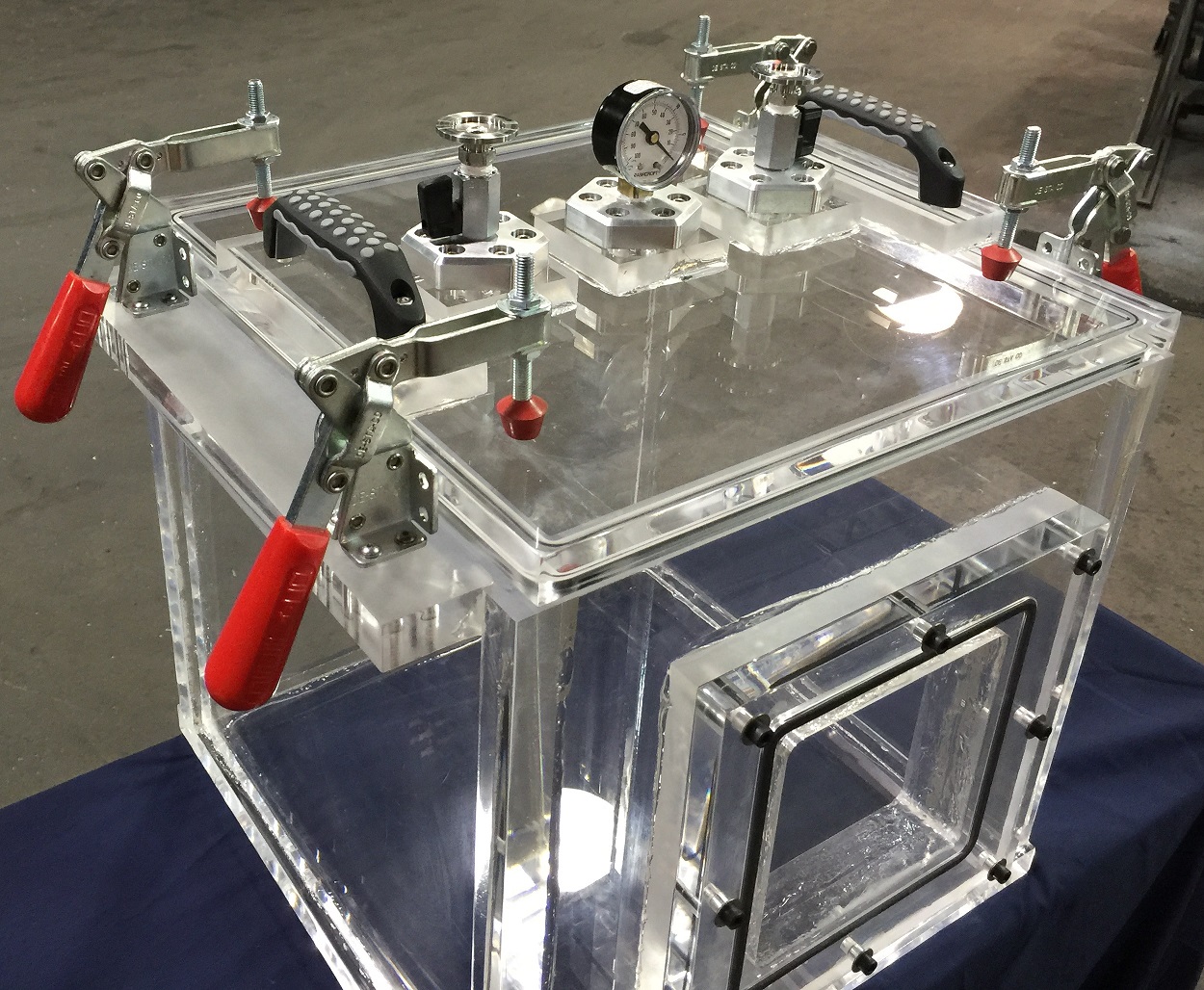
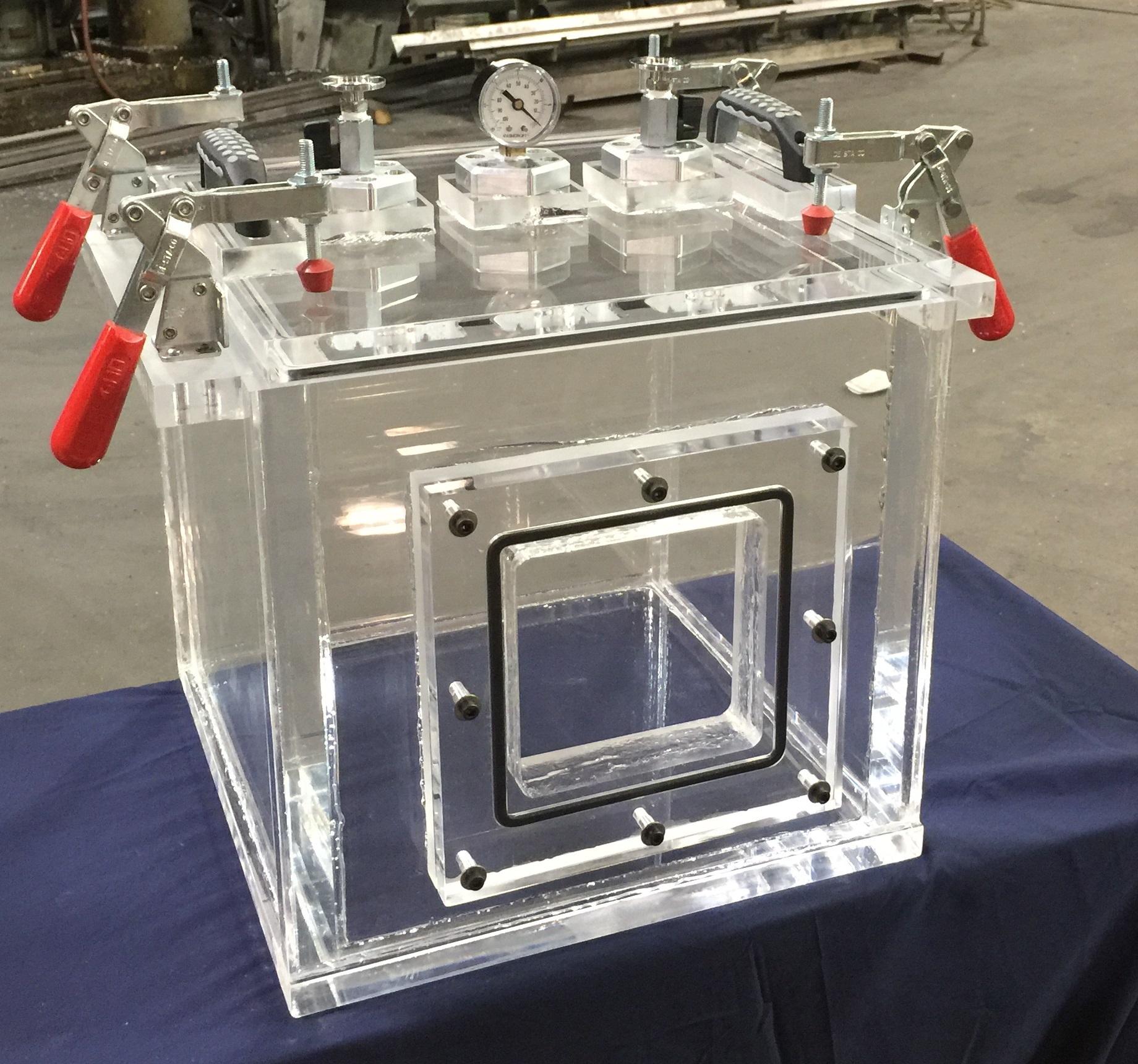
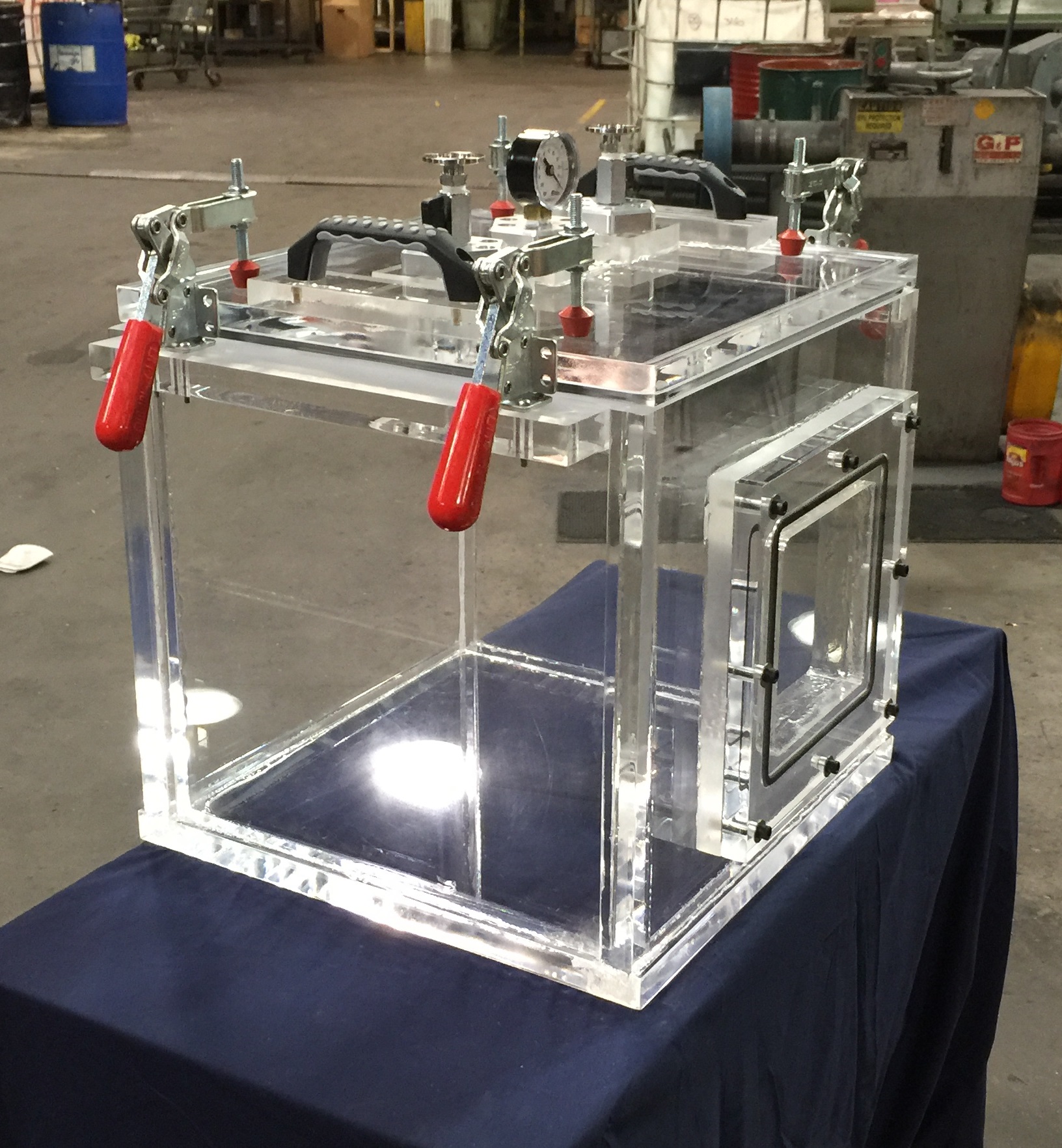
This custom job was a modification to our standard acrylic vacuum chambers. When it comes to working with the Us Military, they want all specs to be met 110% and they want it yesterday. The military does not mess around which is why they came to us since we know how important it is to meet specs and ship fast.

They did not tell us what it was for, but what they did tell us is that they needed a blank plate (which they would modify on their end) with fastening capabilities and a square hole on one side of our chamber. What you see here is a slightly modified version of our existing chambers.
Some of our Popular Items

We are an Engineering Excellence Company. What are you building? Take a look at the links below and discover some of the cool things we make.

Acrylic Pressure and Vacuum Chambers
Acrylic Pressure and Vacuum Chambers are Pressure chambers that are capable of vacuum ratings that are the same vacuum rating of acrylic vacuum chambers. Keep in mind that Acrylic Pressure and Vacuum Chambers have a pressure limit of 15PSIG
Altitude Simulation Controller Instruments
An Altitude simulation Controller is type of vacuum controller that simulates a certain altitude because altitude can be derived from vacuum levels. An altitude simulation controller will enable you to hold your vacuum level at a certain altitude equivalent of testing, run an altitude vs time profile, or rate of change of altitude vs. time. Further options include a vacuum pump relay that will control when the vacuum pump turns on and a vacuum valve.
Our Work: Vacuum Storage of Chemicals that interact with Stainless Steel
There are countless chemicals and metals that interact with Steel or Stainless Steel. According to our investigation, Gallium, Cadmium, Beryllium, and Zinc are some examples of materials which will interact with Steel or Stainless Steel during vacuum Storage.
Related Articles: Anatomy of the Pressure Decay, Vacuum Decay, and Force Decay Curve
How do you know that you have a good part during your leak test? In order to understand your leak test, you must first understand the Test Decay Curve and what it tells you about your test specimen. There is a certain way that a test specimen behaves during the leak test.