Phototesting of different materials through vacuum, airflow, and laser
phototesting-of-different-materials-through-vacuum-airflow-laser-01
Phototesting of different materials through vacuum, airflow, and laser
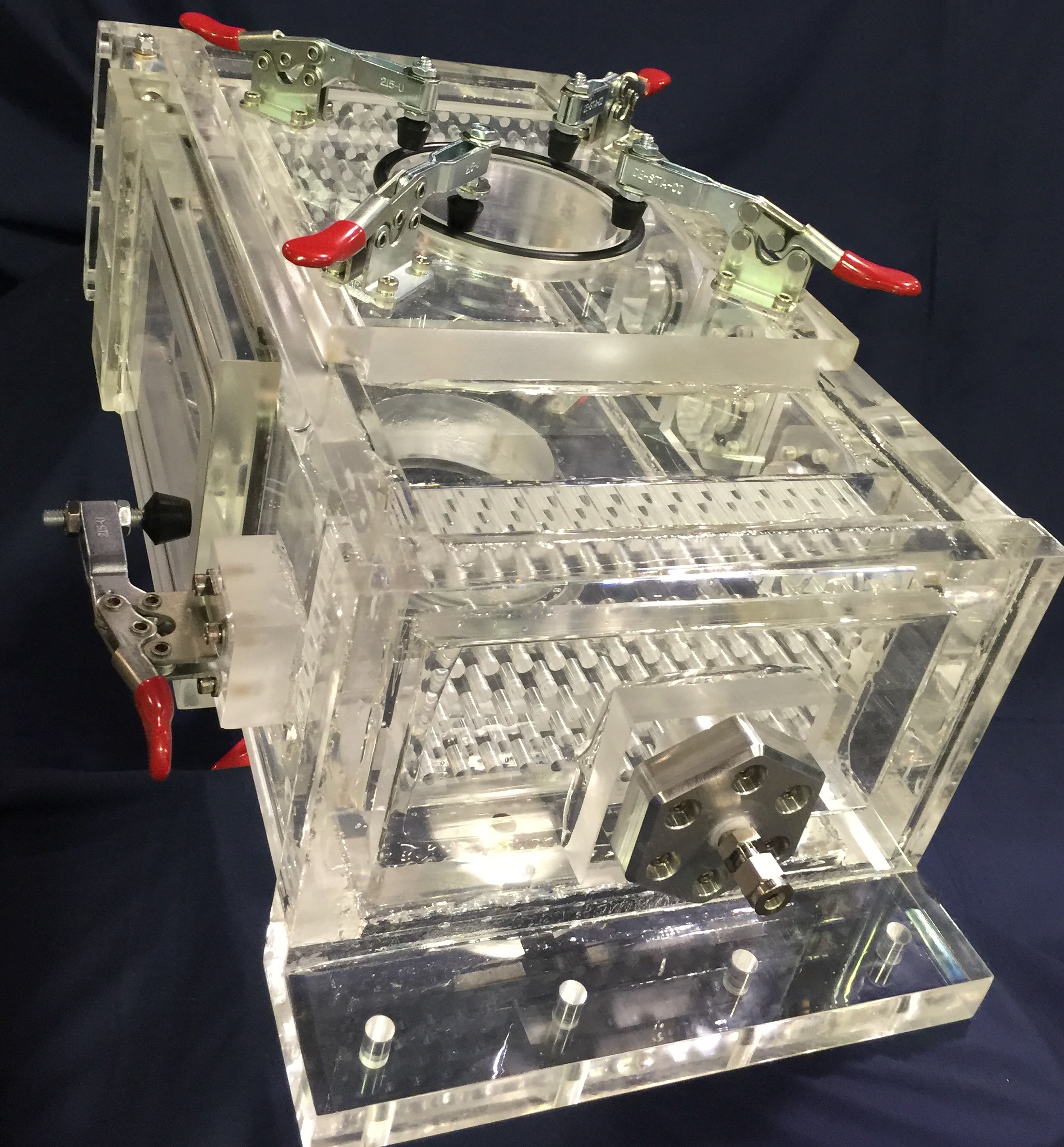
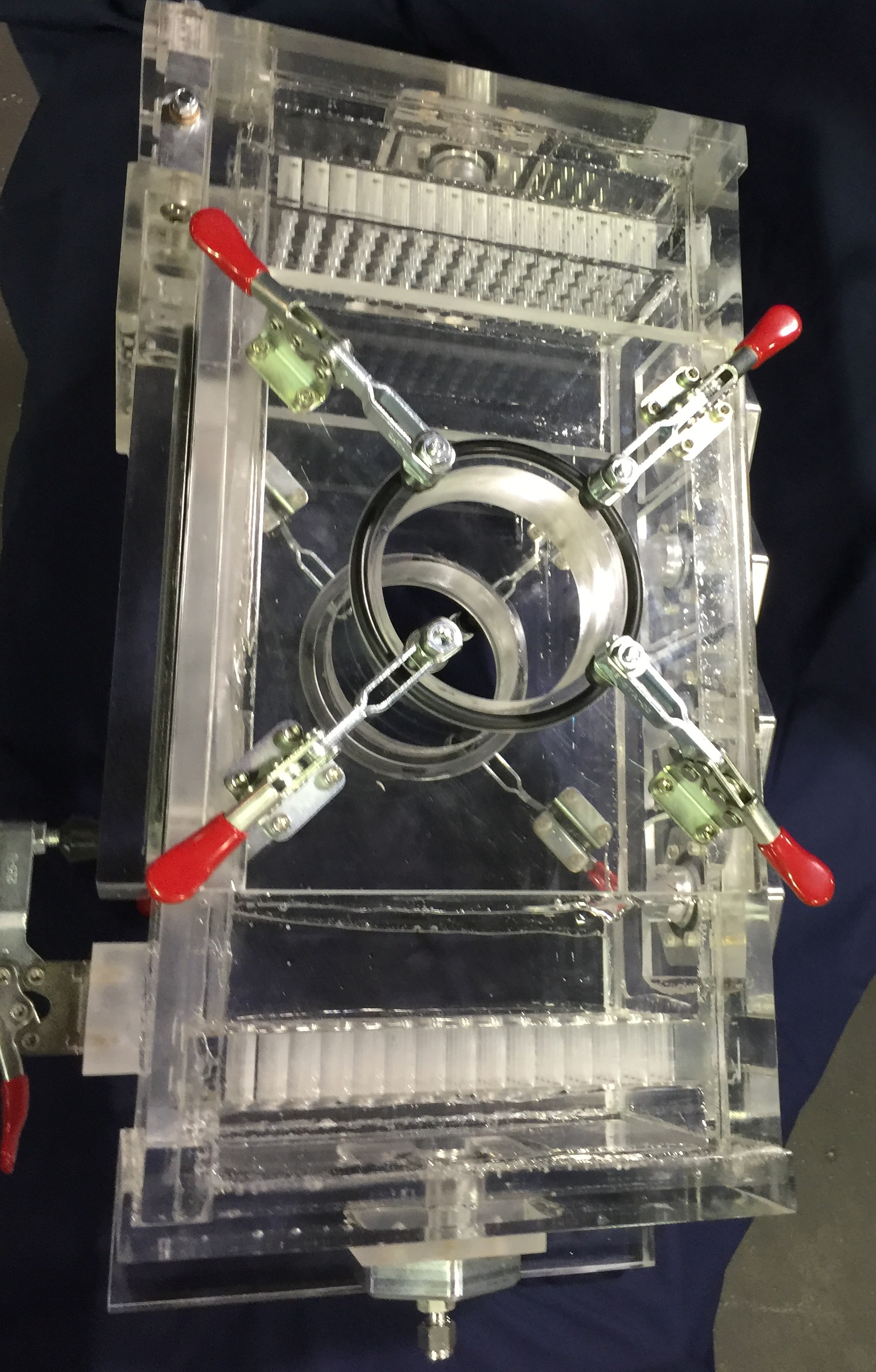
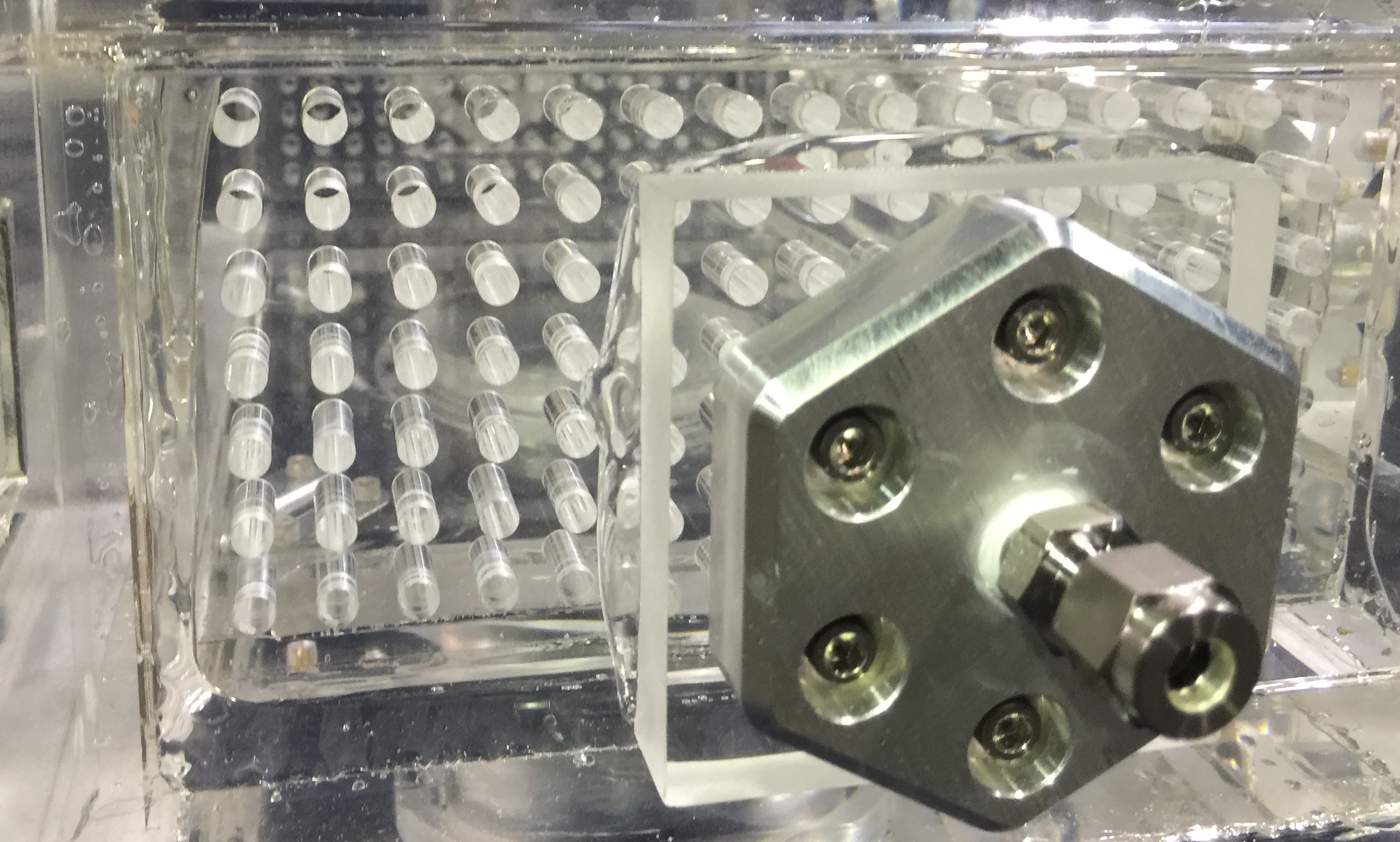
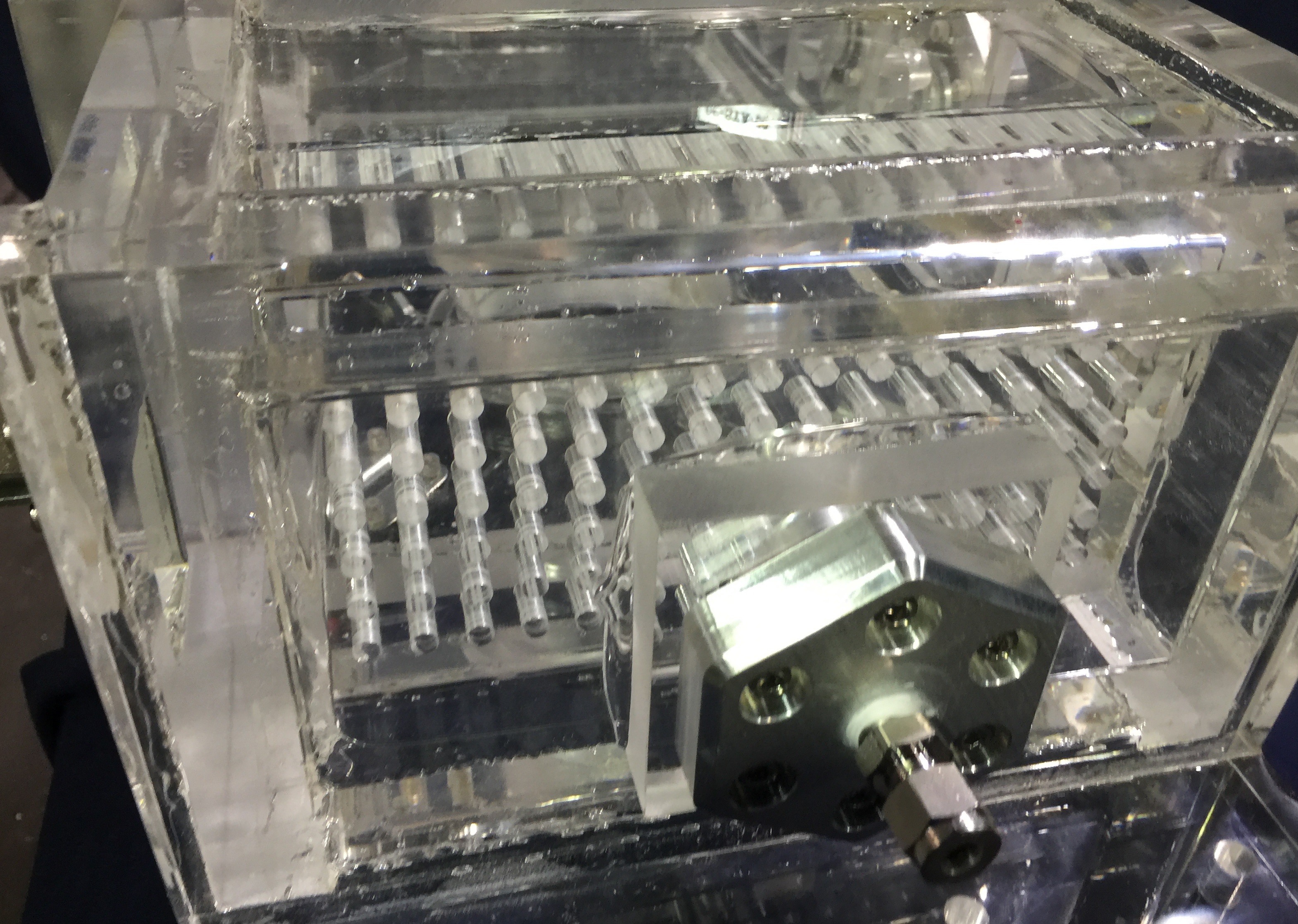
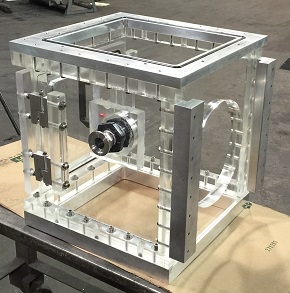
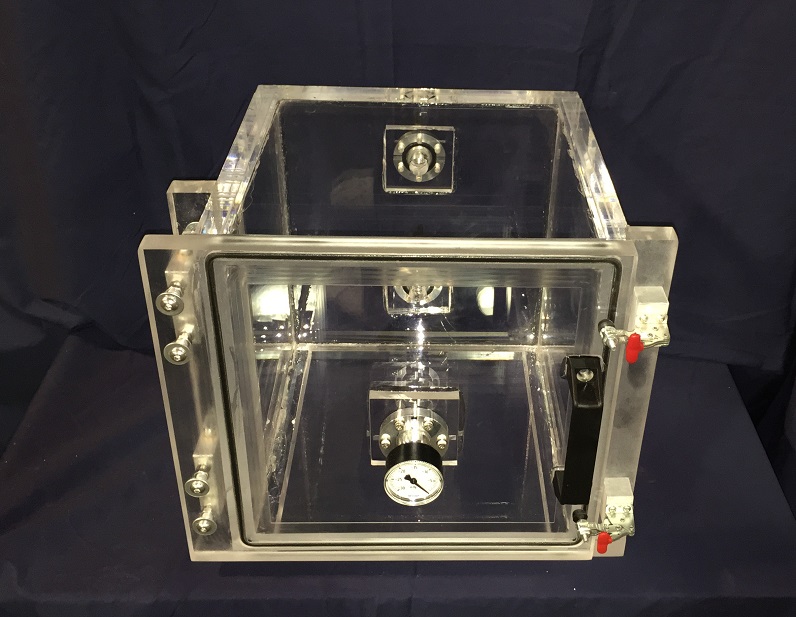
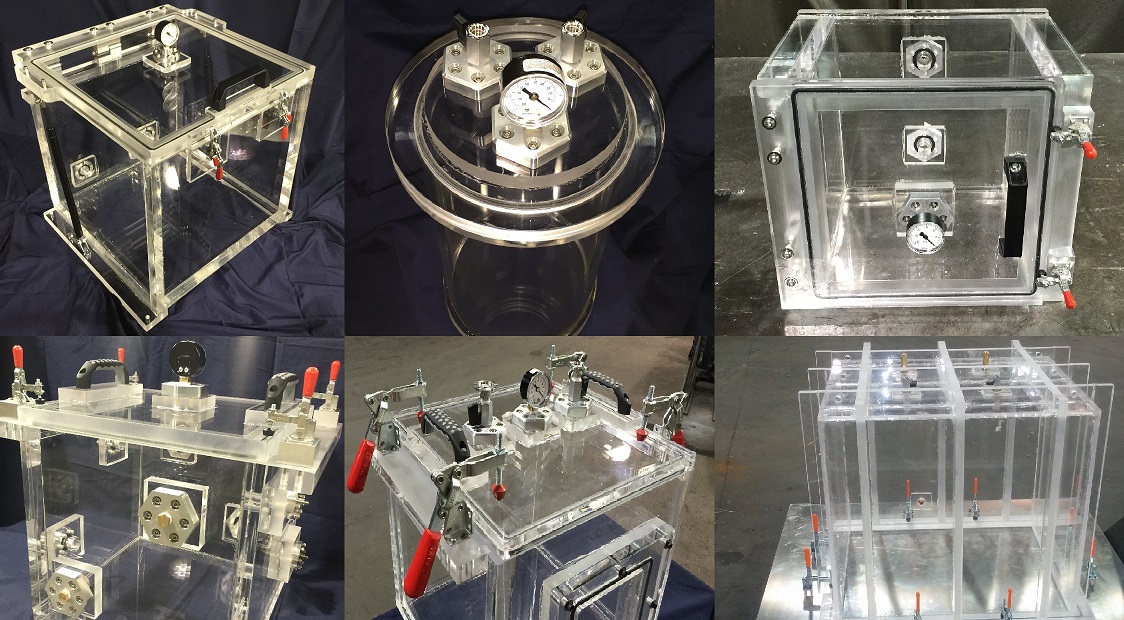
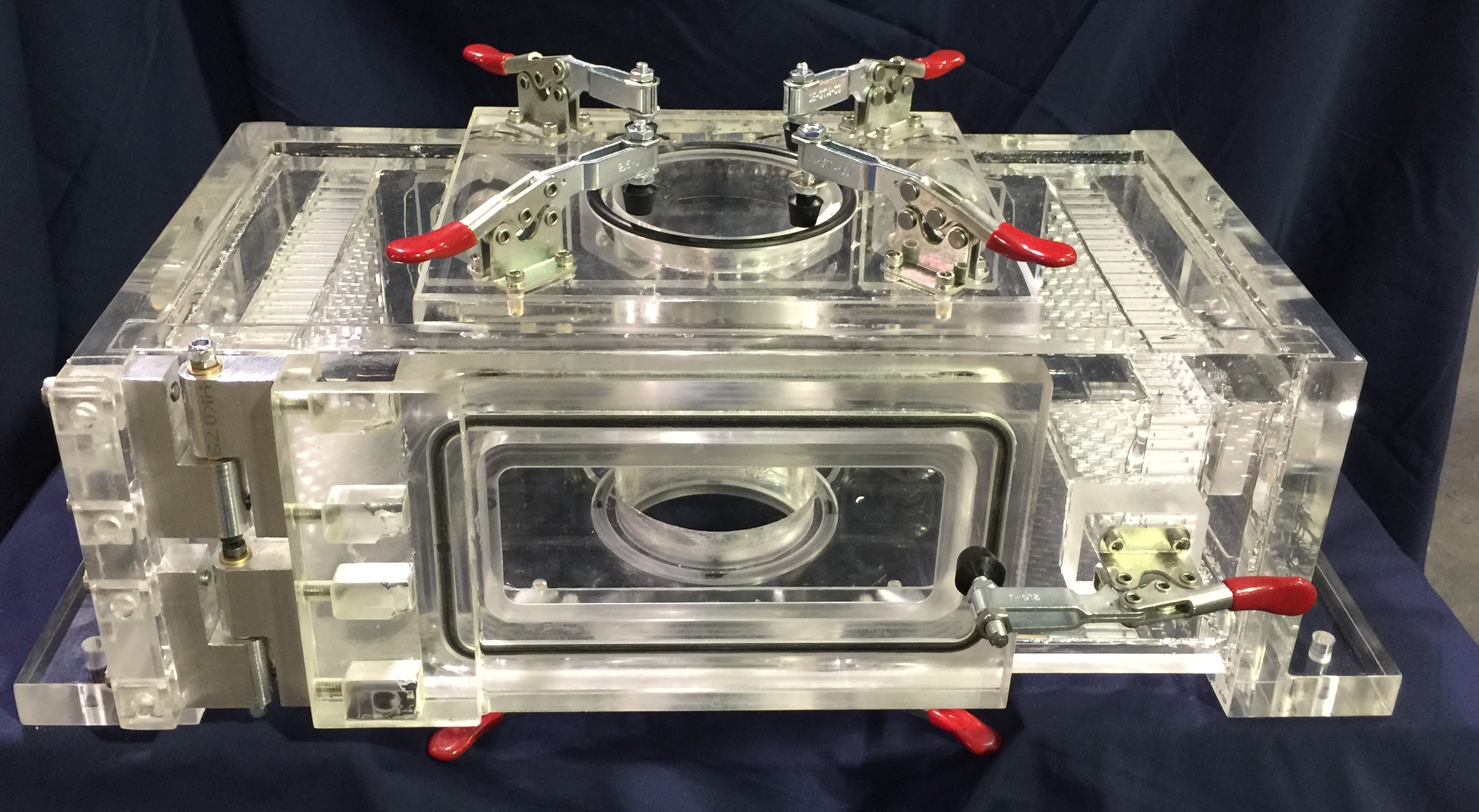
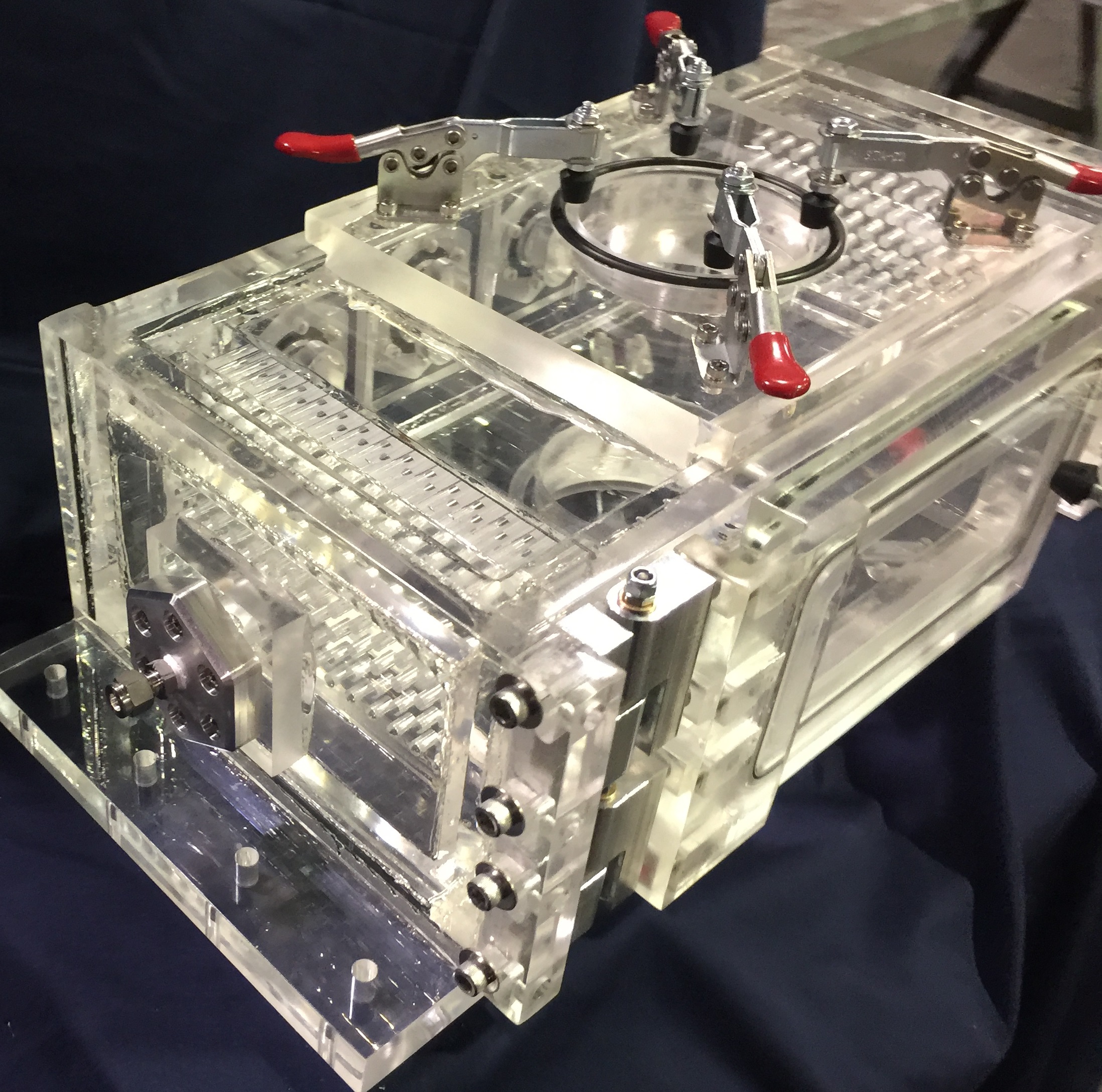
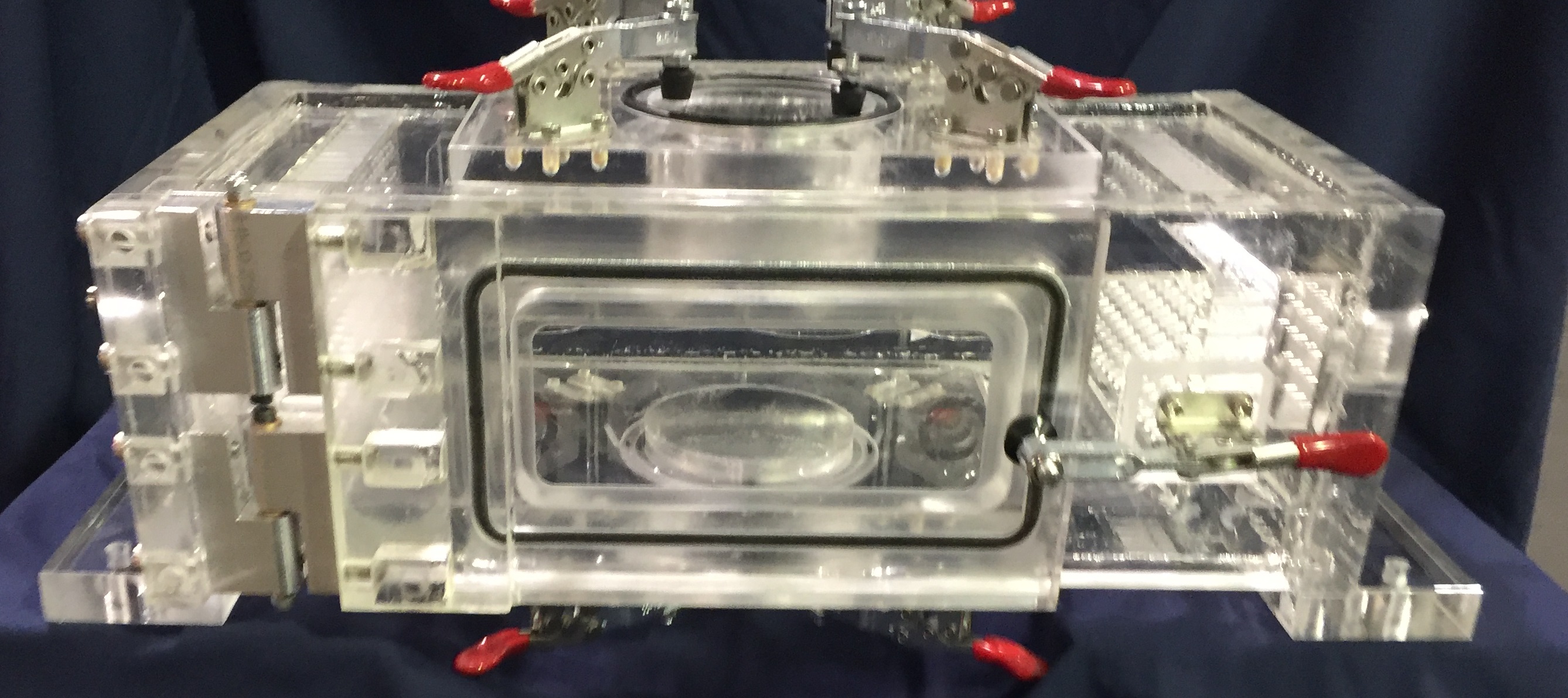
This was a fun project as it involved a custom chamber with the following items: a front door, two airflow diffusers (inside plate with lots of holes), four spare ports, top hole and bottom hole with a gasket to allow for different specimen to be placed, clamped, and tested.

Our client did not tell us much about the details of the project, all we got were the design input requirements and a napkin sketch.

What you see is an acrylic vacuum test chamber. We still have no idea what this chamber is used for, we didn't dare to ask; but it doesn't matter because it was a fun and challenging project and we are happy we were able to help them out.
WAIT! Take a look at similar Items you may like…

Our clients prefer to work with us because we are Experts in Custom Fabrication (especially Polymer Fabrication). Check out some of our other items we carry that you can combine/integrate with your systems or projects.

Acrylic Pressure and Vacuum Chambers
Acrylic Pressure and Vacuum Chambers are Pressure chambers that are capable of vacuum ratings that are the same vacuum rating of acrylic vacuum chambers. Keep in mind that Acrylic Pressure and Vacuum Chambers have a pressure limit of 15PSIG
Micro-D Vacuum Feedthroughs
Micro D Vacuum Feedthroughs are Micro D connectors rated for vacuum and are generally installed on the vacuum chamber wall. You can then connect from the outside to the inside of your chamber.
Our Work: Custom Vacuum Chamber with Blank Plate
You are looking at our standard Acrylic Vacuum Chamber, Hinged Door with Clamps. There is only one difference; this vacuum chamber has a blank acrylic plate that is connected to and aluminum plate which in turn is anchored to the side wall of the acrylic vacuum chamber. This blank plate is there to enable our client to add vacuum feedthroughs to the side wall in the future
Related Articles: Anatomy of the Pressure Decay, Vacuum Decay, and Force Decay Curve
How do you know that you have a good part during your leak test? In order to understand your leak test, you must first understand the Test Decay Curve and what it tells you about your test specimen. There is a certain way that a test specimen behaves during the leak test.